48 Hour Mission 2026 // 13-15 Nov // Entries Open 23 Oct // Let's get moving to protect the places we play // 48 Hour Mission 2026 // 13-15 Nov // Entries Open 23 Oct // Let's get moving to protect the places we play //
Students learn about sustainability, pick a practical action and see what happens when a class, year group or whole school does it together.
Engaging for students, useful for teachers, low-lift for schools.
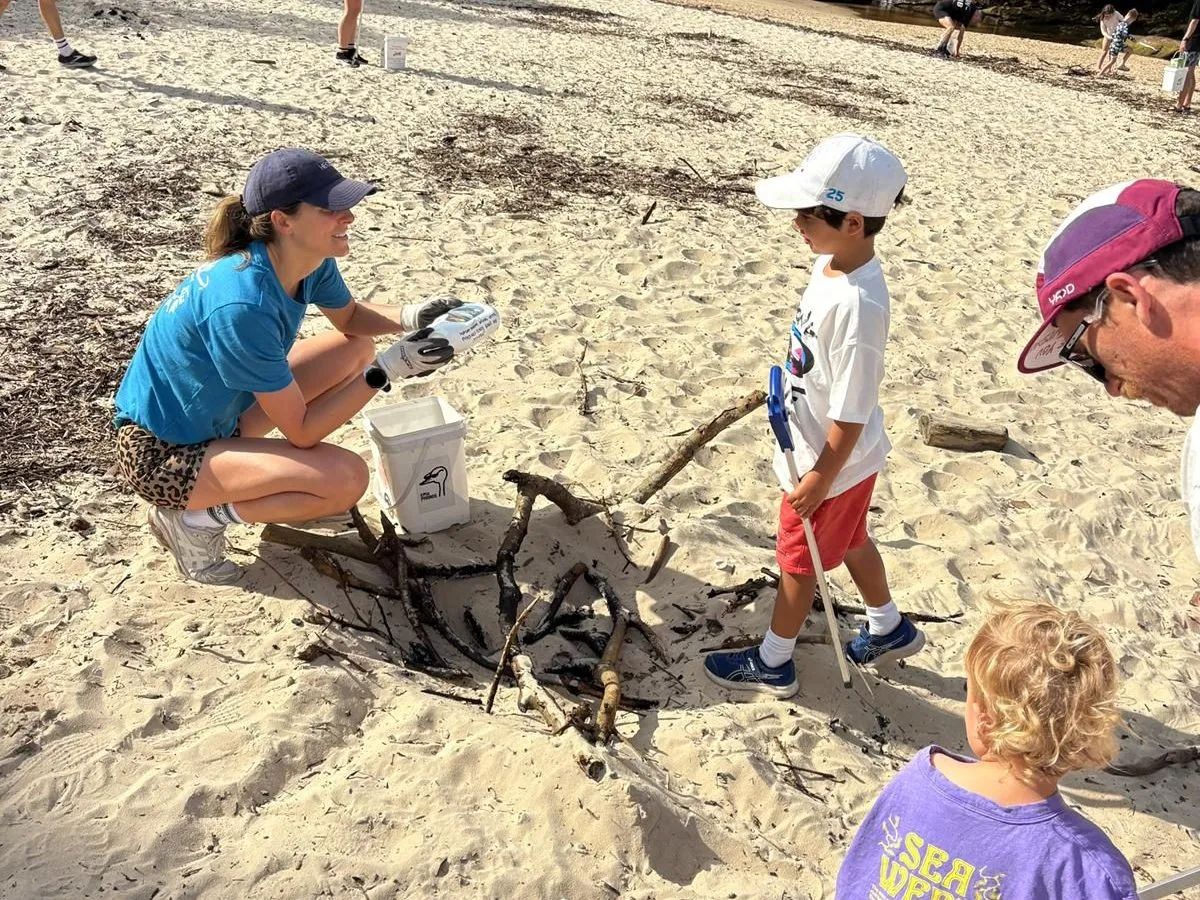
Climate change and waste can feel enormous, especially for young people. We give students honest, age-appropriate context, then something real they can do about it.
A Pledge facilitator leads each session, with clear curriculum links and ready-to-use materials for teachers.
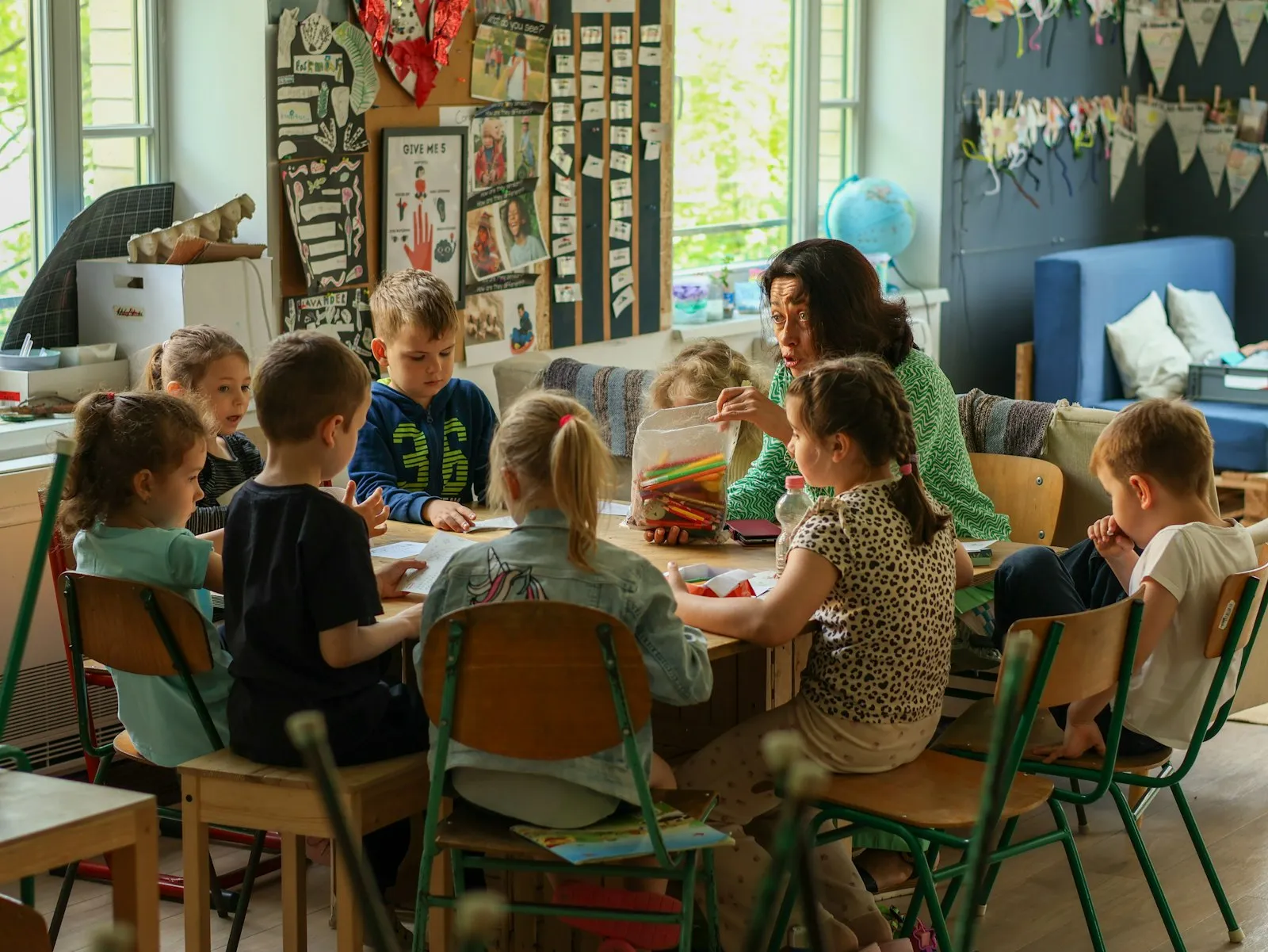

Connect sustainability to the places students learn, move and play.
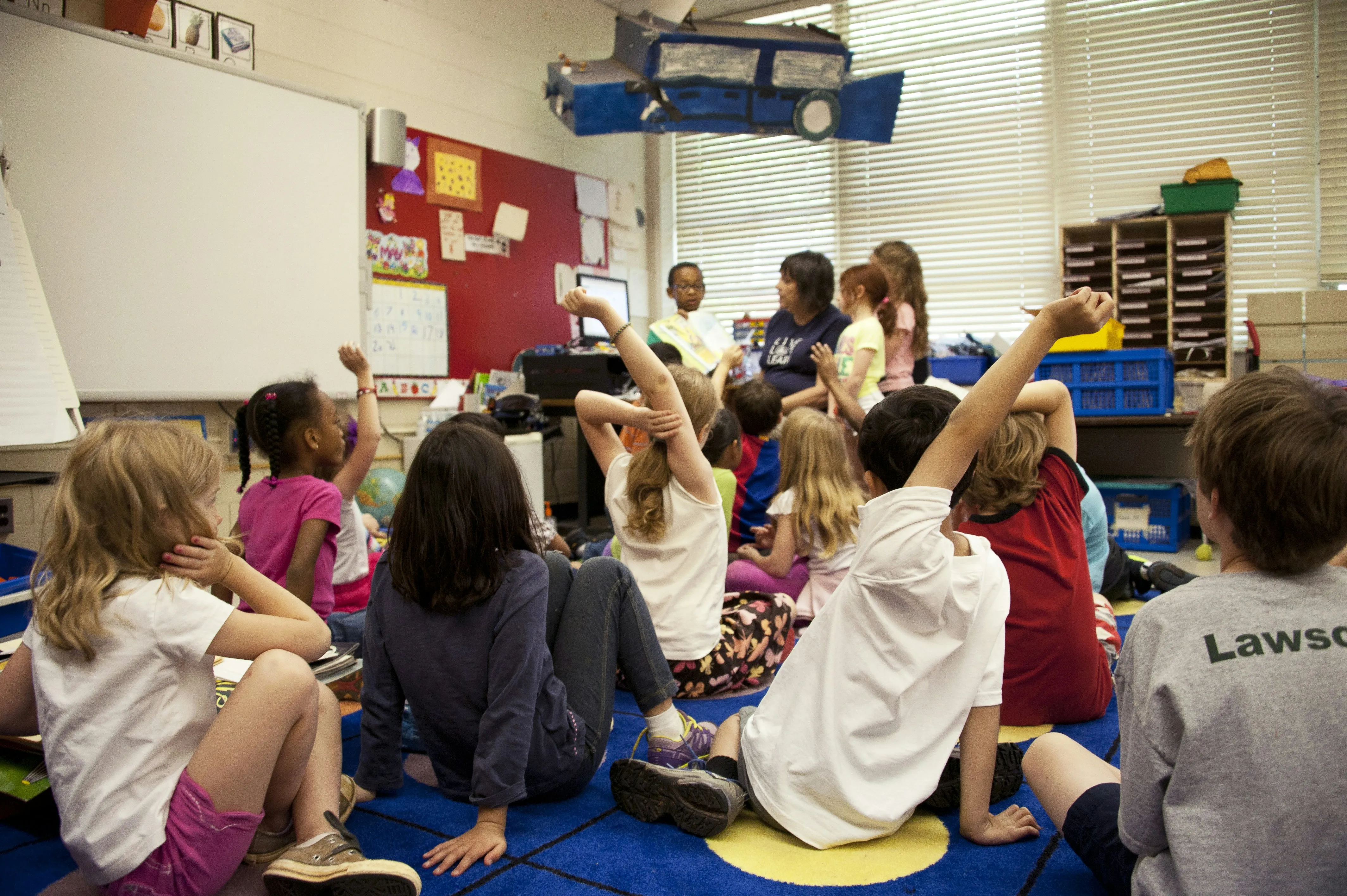
Understand the challenge, then see that action is within reach.
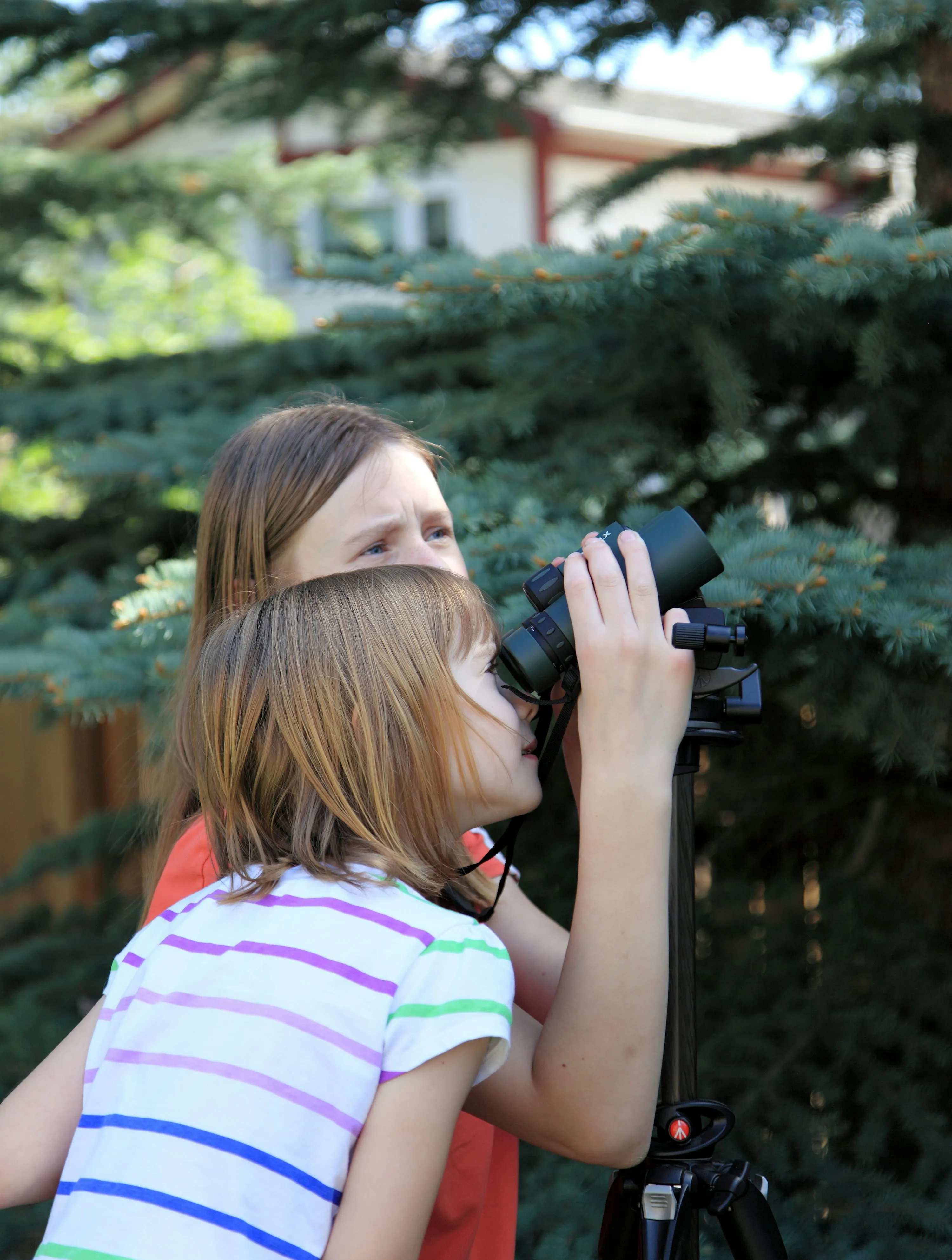
Actions that work for different families, abilities and circumstances.
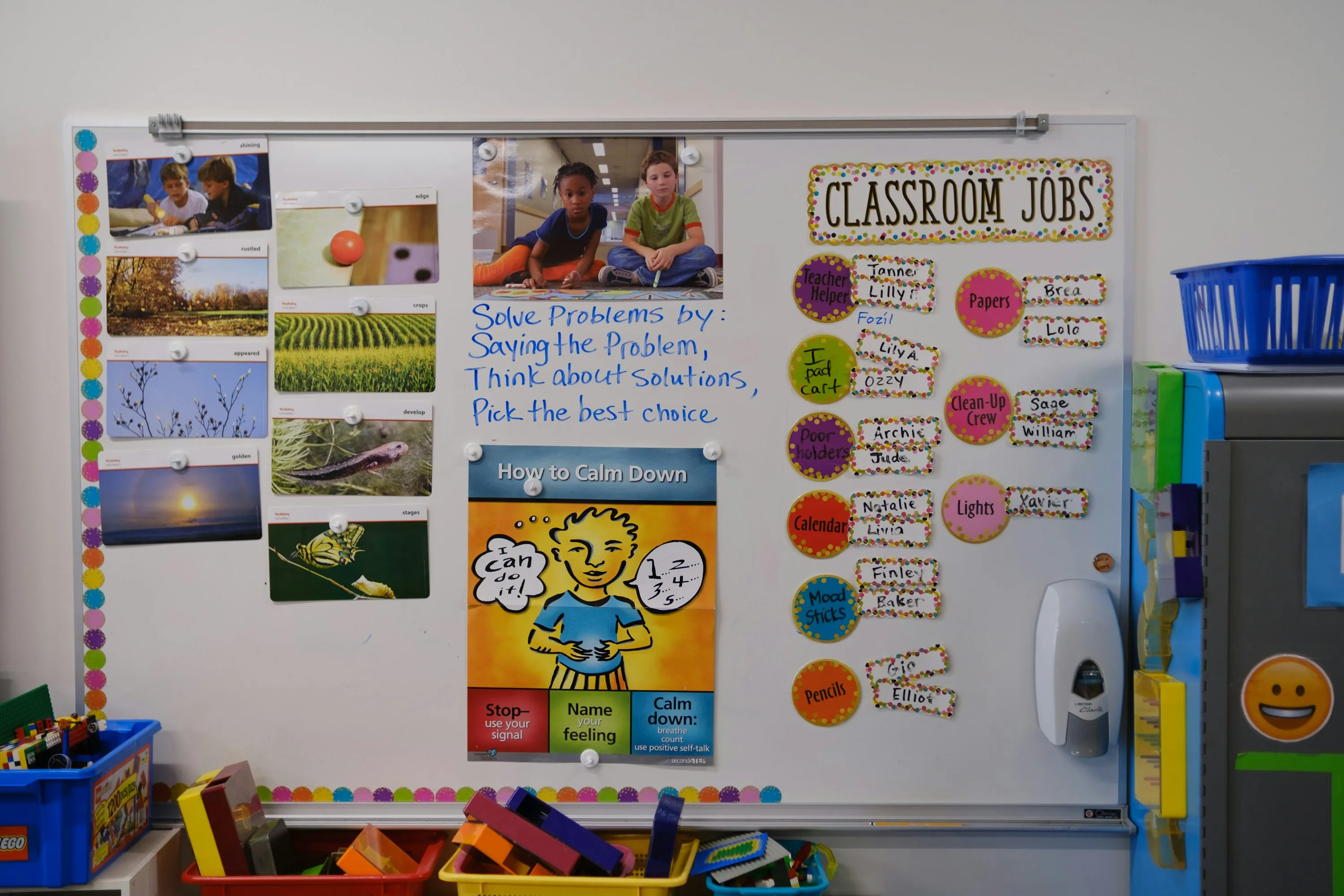
Individual pledges add up to shared results the whole school can see.
Start with one class or year group, or bring the whole school along.
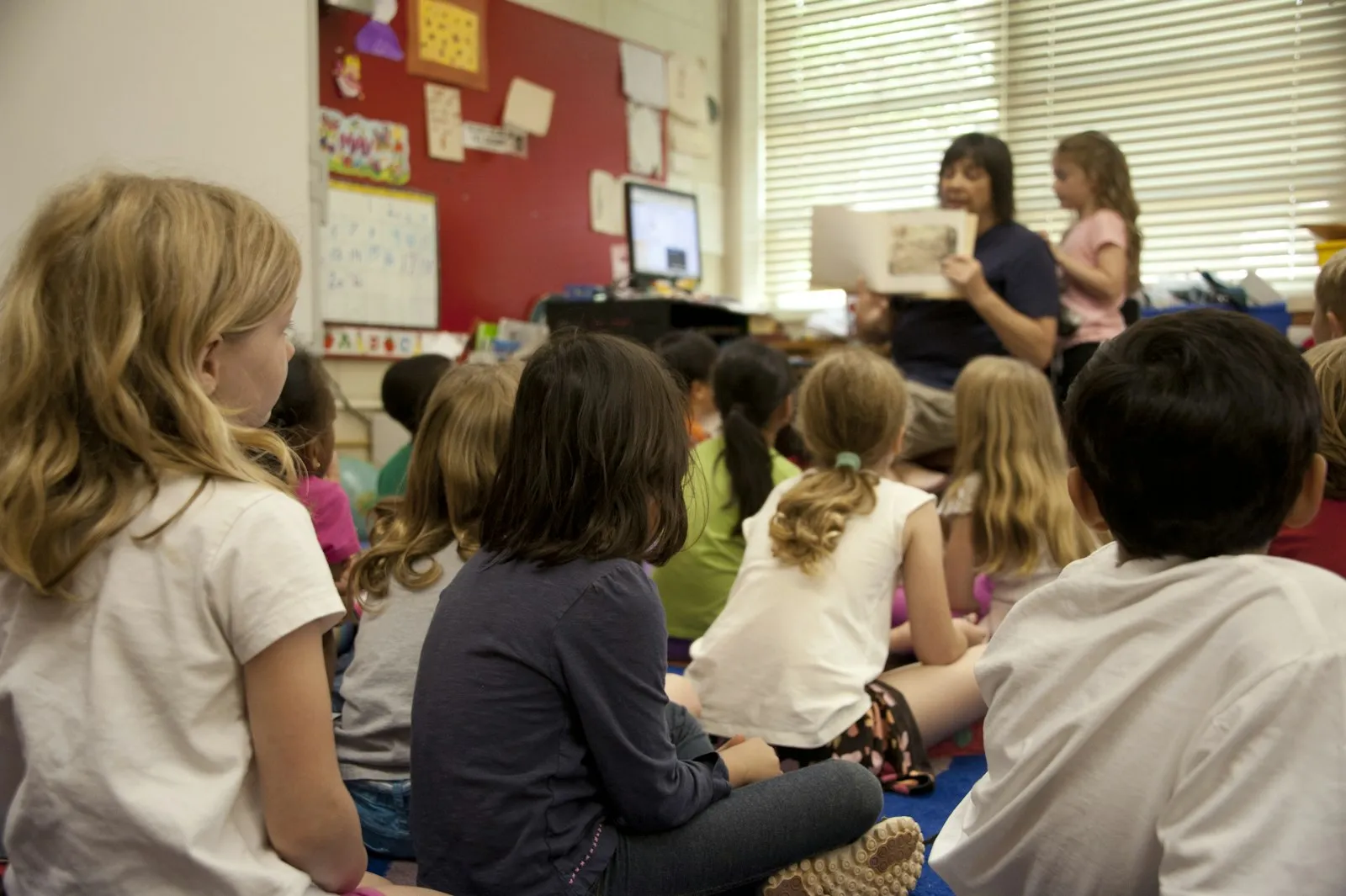
A facilitator-led session that links a curriculum topic to practical action. Students pick from three to five pledges and keep going as a class.
A 21-day challenge that brings classes, year groups or houses together. Learn, pledge, track as a school, then celebrate what you achieved.
A short chat about your students, priorities and the right pathway.
A Pledge facilitator delivers an age-appropriate session mapped to the curriculum.
Students choose a practical action for school, home or their community.
Classes log actions with simple charts or points, and we add up the school’s impact.
Students reflect, share their stories and celebrate together.
Built around the new NSW HSIE K-6 and Science and Technology K-6 syllabuses, commencing in 2027.
Each module is anchored to one primary outcome and reviewed with practising teachers. Mapping covers the full sequence (workshop, pledges, tracking and reflection), and schools get a curriculum map before delivery.
Ask us for the curriculum map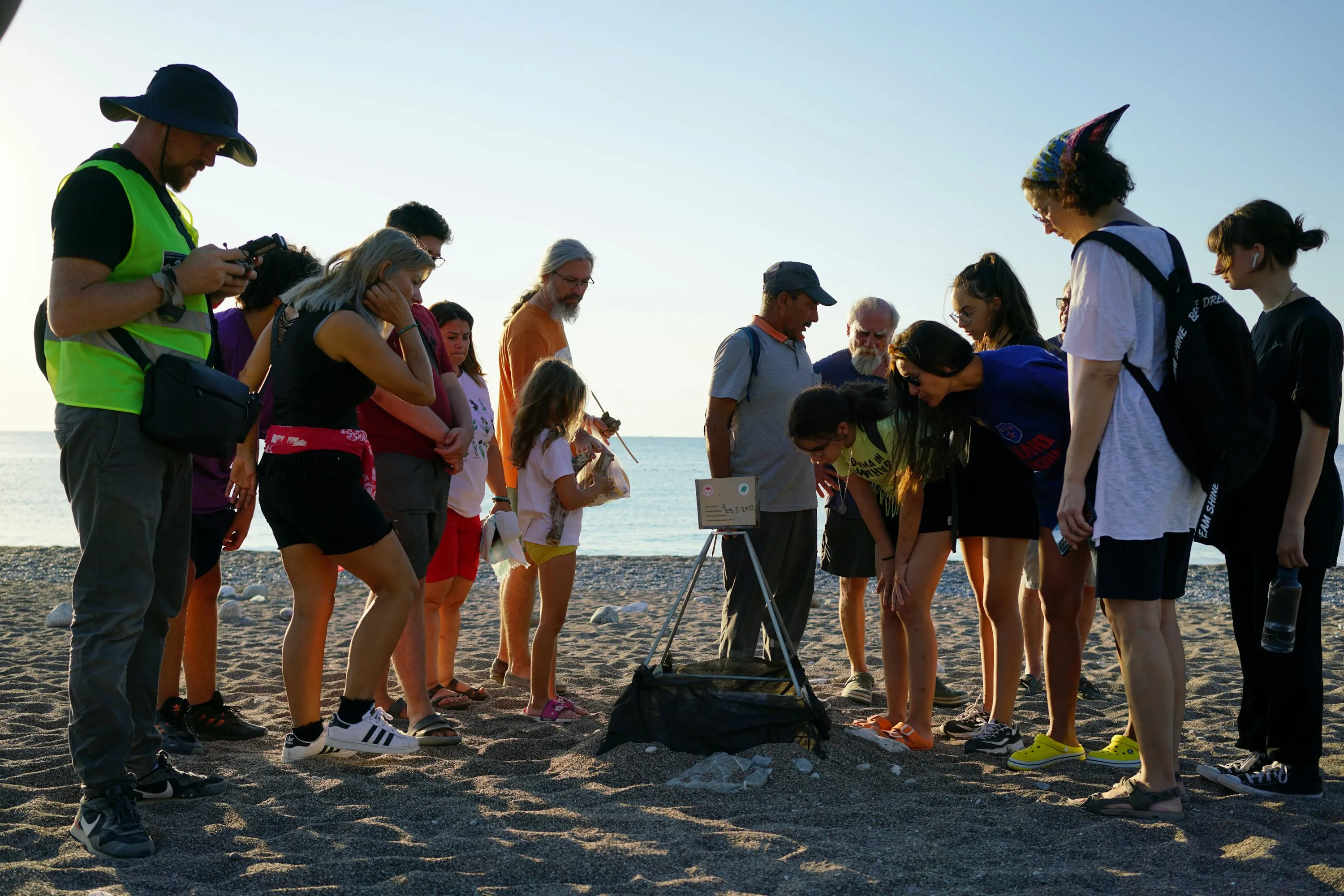
Students explore how people and wildlife share Sydney Harbour, the pressures it faces and what they can do to help protect it.
Three big ideas, then one action of their own.
Everyday choices add up
How lunch, travel and the stuff they use connect to waste and CO₂e.
Their local places matter
Why the parks, beaches and playgrounds they love are worth protecting.
One action they can stick with
How to pick a pledge that fits their life, and actually keep it.
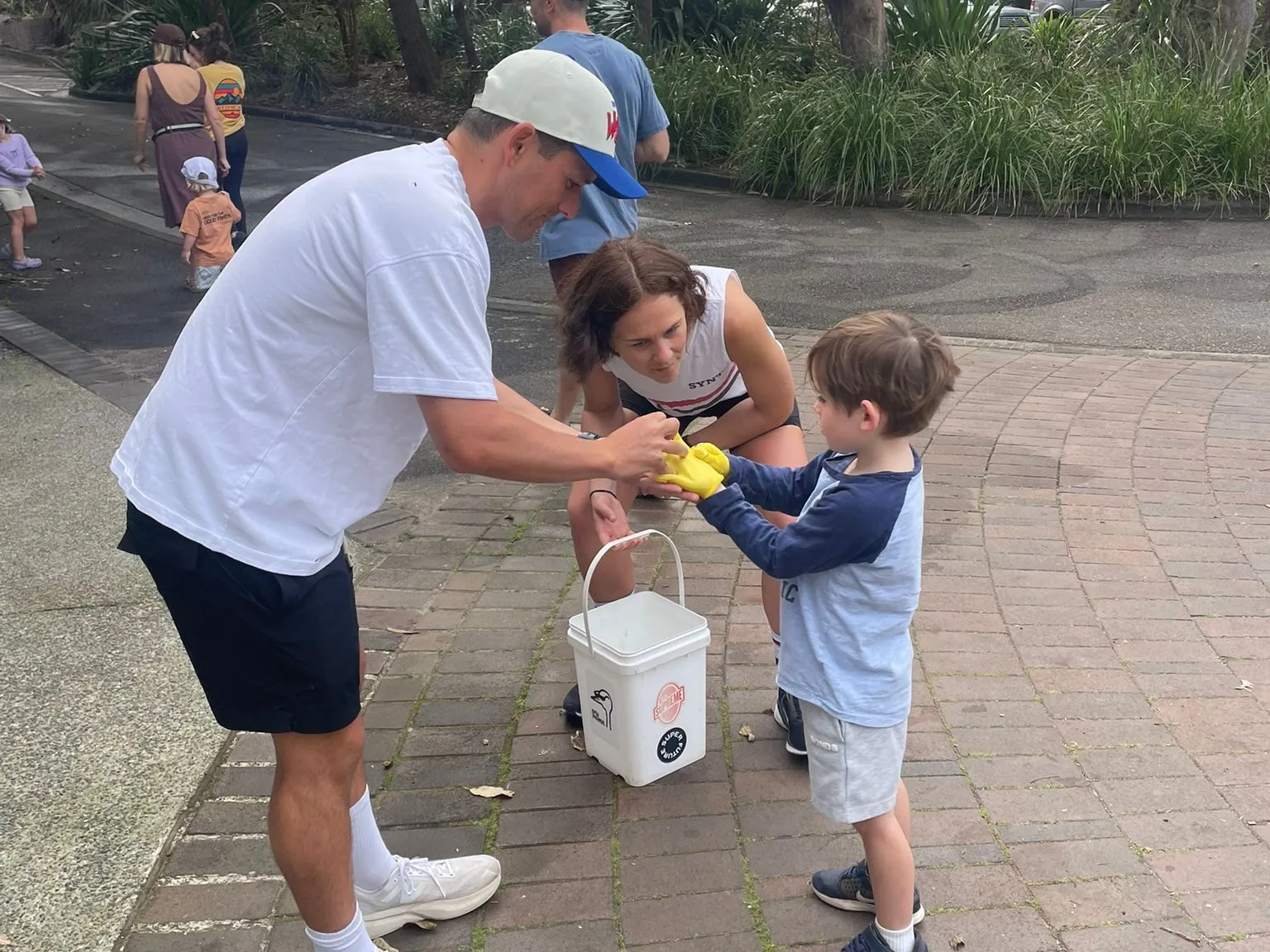
Student pledges might include
Lunchbox and food
Getting to school
Stuff and energy
Choices are tailored to your students and topic.
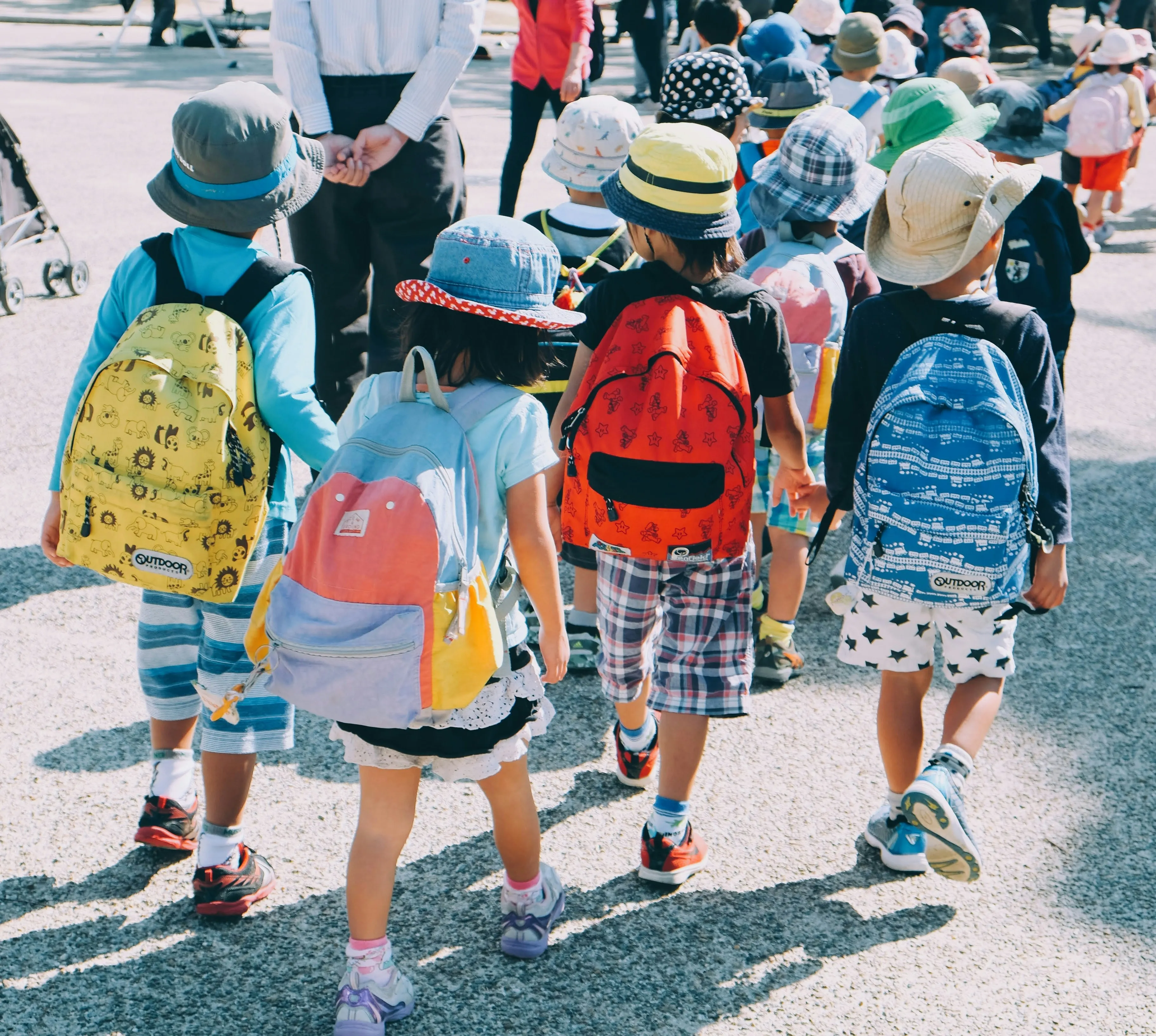
Students already know why their favourite playground, beach, oval or pool matters. We use movement, sport and play as the way in, connecting the places they love with actions that help protect them.
Programs can include movement challenges and stories from sporting leaders.
Modules are being written now, ahead of the 2027 syllabuses, and every one is reviewed with practising teachers.
Pilot schools get early access and a real say in how it’s built.
Register as a pilot schoolCost shouldn’t decide which students get to take part.
Sponsored places may be available for public schools as funding is secured, and no student ever needs to spend money to participate.
Tell us about your school and we’ll be upfront about what’s possible.
NSW primary schools, Early Stage 1 to Stage 3.
Deliver it to one class, a year group or the whole school.
Each module maps to a primary NSW outcome.
You’ll get the mapping before delivery.
No. A Pledge facilitator leads the core session. Teachers support student participation and any follow-up tracking, using materials provided by Pledge.
Very little. A short planning call and a key contact. We supply the session plan, materials and tracking resources.
No. Actions can be tracked at class, year-group, house or school level. Students don’t need individual public accounts to participate.
Yes. A workshop is a good way to introduce the program before considering a whole-school Pledge Month.
It depends on student numbers and the pathway. Sponsored places may be available for public schools (see “Every school should be able to take part” above).
Yes. We can connect the Mission to an existing curriculum unit, sustainability week, waste initiative, environmental plan or school goal.
Tell us about your school and what you’d like students to get out of it. We’ll help you find the best place to start.




Pledge for the Planet acknowledges the Traditional Custodians of the lands and waters where we live, work, move and play, and pays respect to Elders past and present. We recognise that First Nations peoples have cared for this country for more than 65,000 years, and that their knowledge and continuing connection to land and sea has much to teach us about protecting the places we all share. Sovereignty was never ceded.