48 Hour Mission 2026 // That's a wrap, Pledgends // 803 Pledgends across 79 clubs moved 17,200 km // 421 tonnes of CO₂e reduced // 10,044 pieces of waste reduced // See the results and winners // Plog to Pub, Wed 25 Nov // 48 Hour Mission 2026 // That's a wrap, Pledgends // 803 Pledgends across 79 clubs moved 17,200 km // 421 tonnes of CO₂e reduced // 10,044 pieces of waste reduced // See the results and winners // Plog to Pub, Wed 25 Nov //
Pledge for the Planet
Browse pledgeschevron_right chevron_right
Plan your meals
Home

Plan your meals

Ten minutes on Sunday saves food, money and the 6pm ‘what’s for dinner’ panic.

Make this pledgeopen_in_new

You’ll be taken to the Pledge platform, where you can sign in or create a free account.

A woman filling in a printed weekly meal plan sheet with a pen at a kitchen bench.
Your pledge at a glance
Estimated impact
256 kg CO₂e a year

Homes create about a third of Australia’s food waste, and most of it starts at the shops. A plan means you buy what you’ll actually eat.

How we calculated this
Frequency
Weekly
Supports the UN SDGs

12: Responsible consumption and production · 13: Climate action

What

  • Plan your main meals for the week before you shop
  • Check your fridge, freezer and pantry first, and plan around what needs using up
  • Write a shopping list and stick to it
  • Snap a photo of your meal plan or shopping list to log this pledge

Why

Australia wastes around 7.6 million tonnes of food a year, and about a third of it, 2.5 million tonnes, comes from our homes. That works out to $2,000 to $2,500 per household a year. Food waste also accounts for about 3% of Australia’s greenhouse gas emissions, once you count everything it took to grow, move and store it.

The tricky bit is that most of us don’t notice it. Australian research found households waste more than twice as much food as they think they do. OzHarvest’s research points to the same habits behind it: shopping without a list, not checking what’s at home first and not planning meals.

A bit of planning flips that. You buy for the week you’re actually going to have, not the one you imagine in the supermarket aisle.

Because protecting the places we play starts with a list on the fridge. 💙

How

  • Pick a planning slot: Sunday arvo after the long run, Thursday night before the big shop. Whatever sticks.
  • Shop your kitchen first: Low-waste households are more likely to check what’s already in the fridge before they head out.
  • Plan around your training week: Quick meals on session nights, a bigger cook on rest days. Be honest about the nights you’ll be home late.
  • Double up on ingredients: Pick meals that share ingredients, so half a cabbage or a bunch of coriander gets used twice.
  • Leave a flex night: Plans change. Keep one night free to use up whatever’s left.
  • Don’t shop hungry: Post-run supermarket trips are where the impulse buys sneak in.
  • Make it a household thing: Stick the plan on the fridge so everyone knows what’s for dinner, and what not to eat for a snack.
  • Already planning? Try tracking what you bin for a week. Most of us waste more than we think.

Make it work for you

Make this pledgeopen_in_newTrack your progressopen_in_new

You’ll be taken to the Pledge platform, where you can sign in or create a free account.

How we calculated the impact

This is an estimate of the potential impact of taking this pledge.

Your actual impact may vary depending on how often you take the action, your starting point and your personal circumstances.

Read our impact methodologyarrow_forward

How we track impact

Once you’ve made the pledge, the platform is where the action gets recorded.

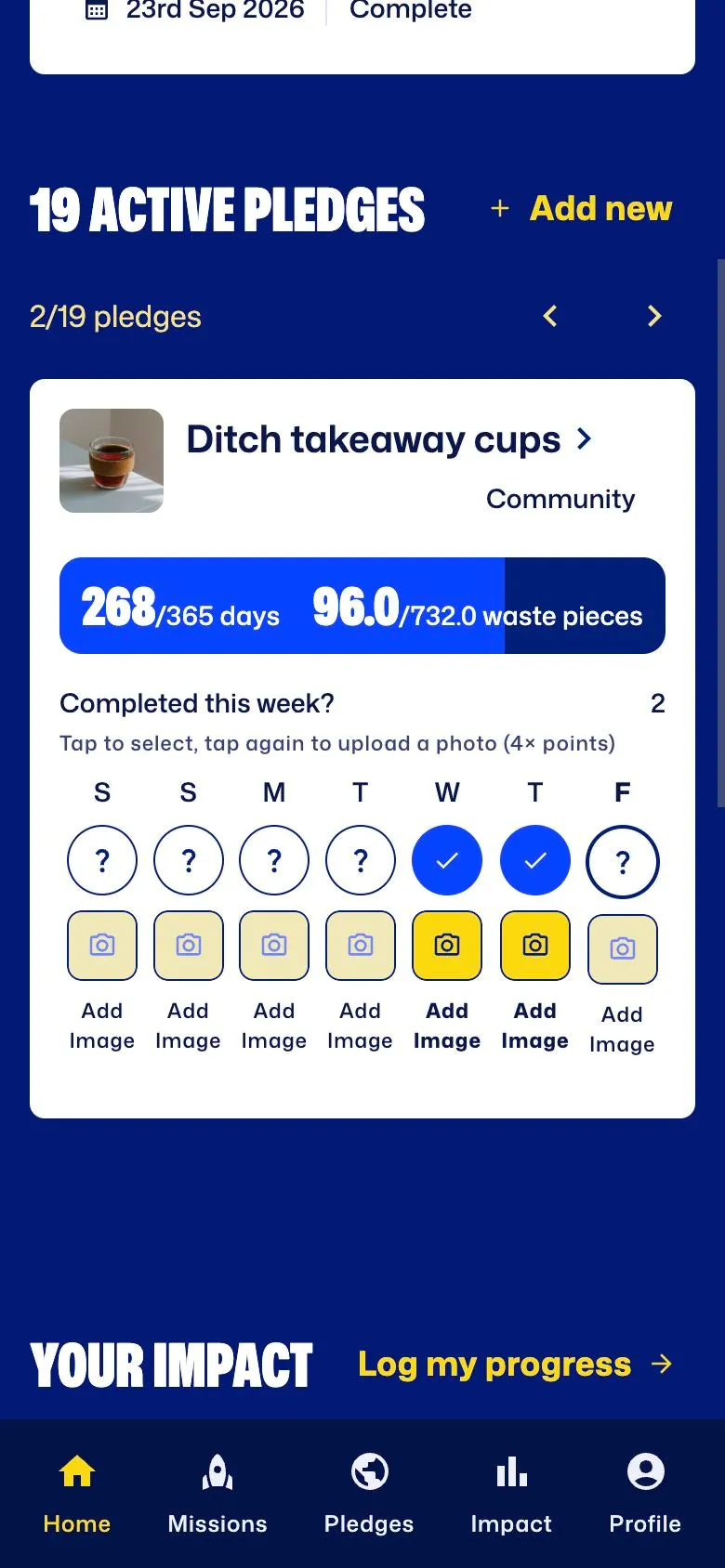
Pledge app accountability check-in for the week
Accountability check-ins

Mark the action complete each time you take it.

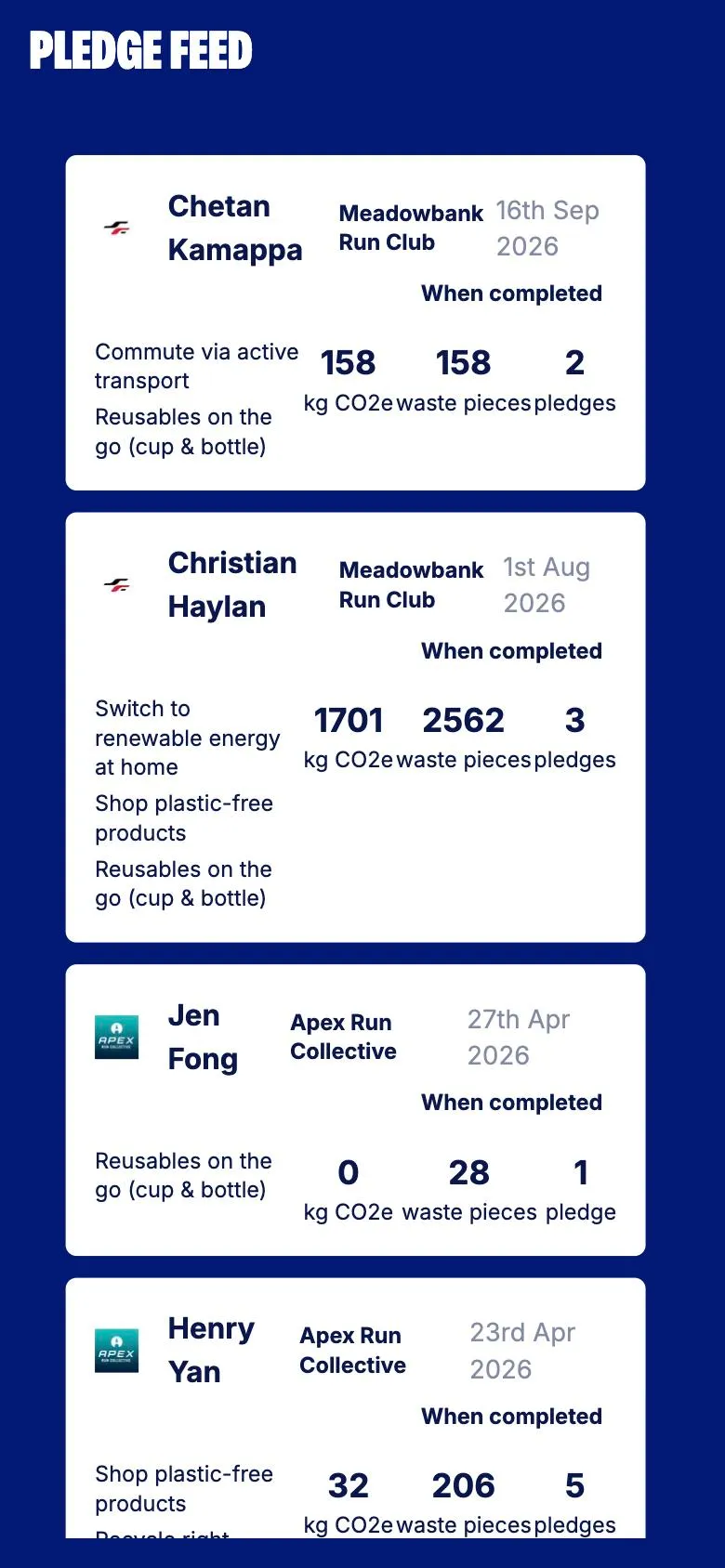
Pledge app club feed showing members' pledges and photo check-ins
Photo uploads

Add a photo of your action and earn four times the points.

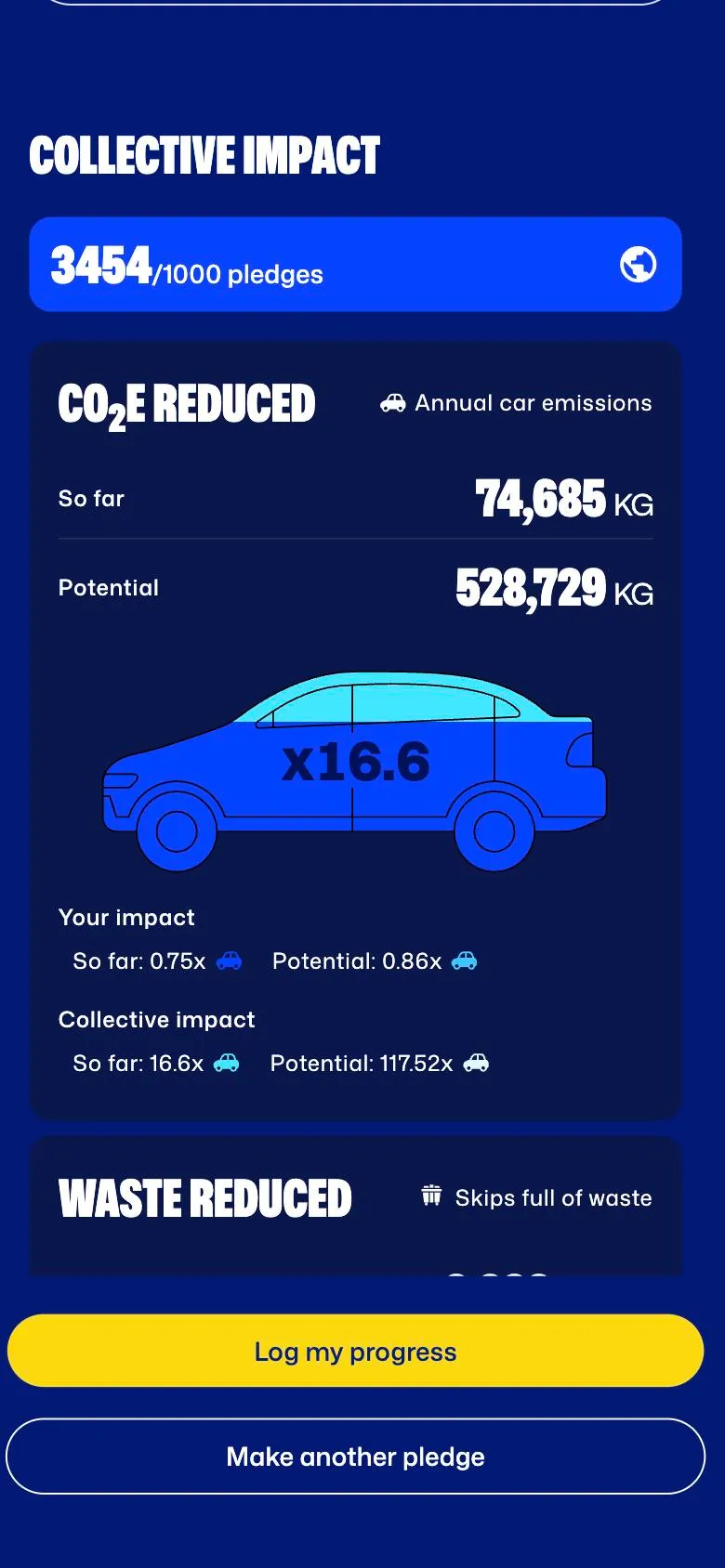
Collective impact counters for CO2e and waste
Collective impact counter

Watch your action join the community total.

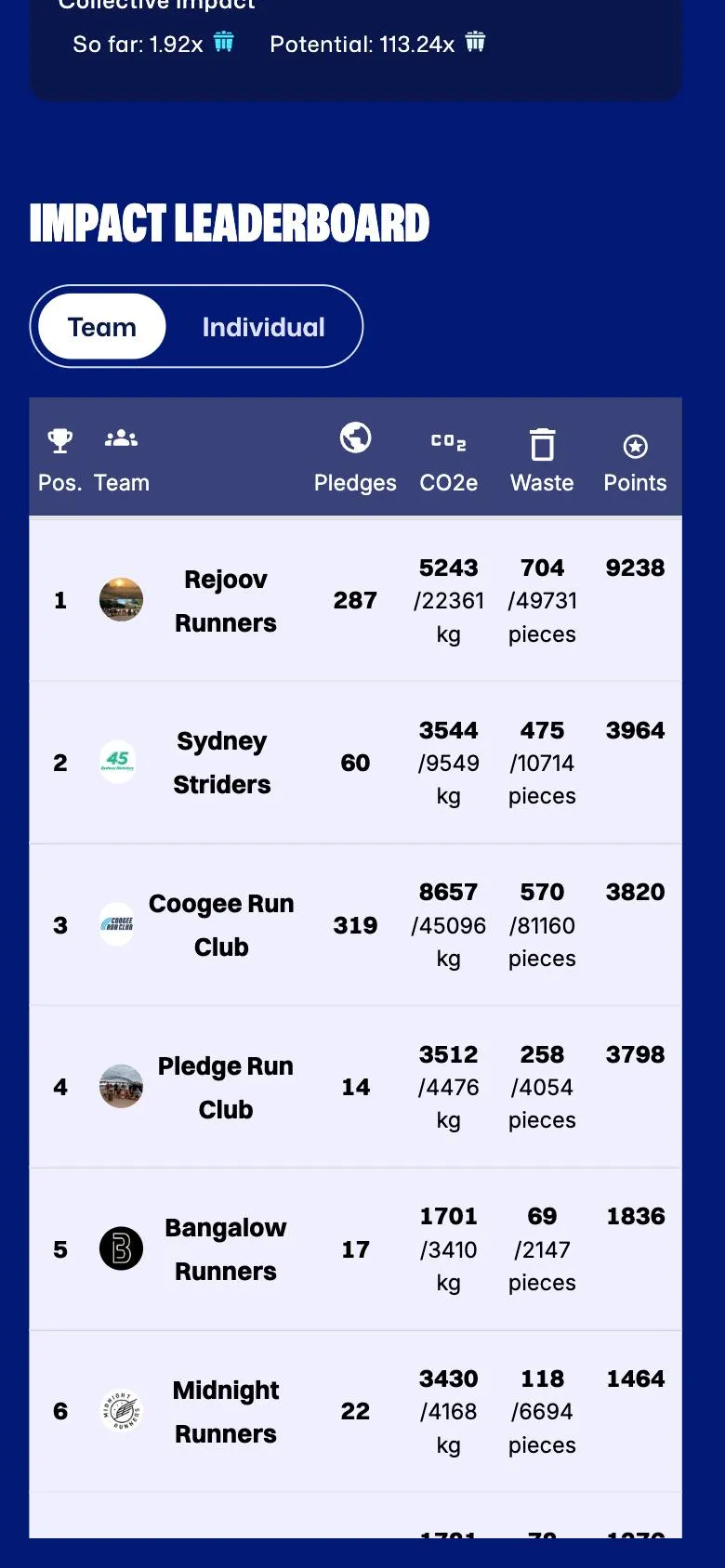
Pledge app team leaderboard ranked by points
Pledge points & leaderboards

Every check-in earns points that climb the leaderboard.

Resources

Love Food Hate Waste NSW, plan, shop and store smarter: https://www.lovefoodhatewaste.nsw.gov.au/at-home/reduce-your-food-waste

OzHarvest, Half Eaten household food waste research: https://www.ozharvest.org/australian-household-food-waste-research/

Seasonal Food Guide Australia, plan meals around what’s in season: https://www.seasonalfoodguide.com/

Sources

  1. DCCEEW, Reducing Australia’s food waste (7.6 million tonnes a year; 2.5 million tonnes or 34% from homes; $2,000 to $2,500 per household a year; about 3% of Australia’s emissions; goal to halve food waste by 2030) – https://www.dcceew.gov.au/environment/protection/waste/food-waste
  2. Karunasena, Pearson and Fight Food Waste CRC, Australian household food waste: a summary of behaviours, attitudes, perceived and actual food waste (2021) – https://endfoodwaste.com.au/wp-content/uploads/2023/11/FINAL-summary_report.pdf (households waste more than twice the food they believe they do)
  3. OzHarvest, Half Eaten: Australian household food waste research (2025) (households waste $1,500+ of food a year; vegetables and herbs wasted by 47% of households; leftovers by 45%, about 27 kg a year; shopping without a list and not checking food at home drive waste) – https://www.ozharvest.org/australian-household-food-waste-research/ (low-waste households more likely to write a shopping list, 72% vs 62%, and check the fridge, freezer and pantry, 81% vs 70%)
  4. Love Food Hate Waste NSW, reduce your food waste (choose ingredients that work in more than one meal; avoid shopping hungry) – https://www.lovefoodhatewaste.nsw.gov.au/at-home/reduce-your-food-waste
  5. OzHarvest, Half Eaten: Australian household food waste research report (2025), full report PDF (write a shopping list 72% vs 62%; check fridge, freezer and pantry 81% vs 70%, low- vs high-wasting households) – https://www.ozharvest.org/app/uploads/2026/08/Half-Eaten-Australian-Household-Food-Waste-Research-Report.pdf