48 Hour Mission 2026 // 13-15 Nov // Entries Open Now // Let's get moving to protect the places we play // 48 Hour Mission 2026 // 13-15 Nov // Entries Open Now // Let's get moving to protect the places we play //
When it’s time to replace your car, make the next one electric.
Make this pledgeYou’ll be taken to the Pledge platform, where you can sign in or create a free account.
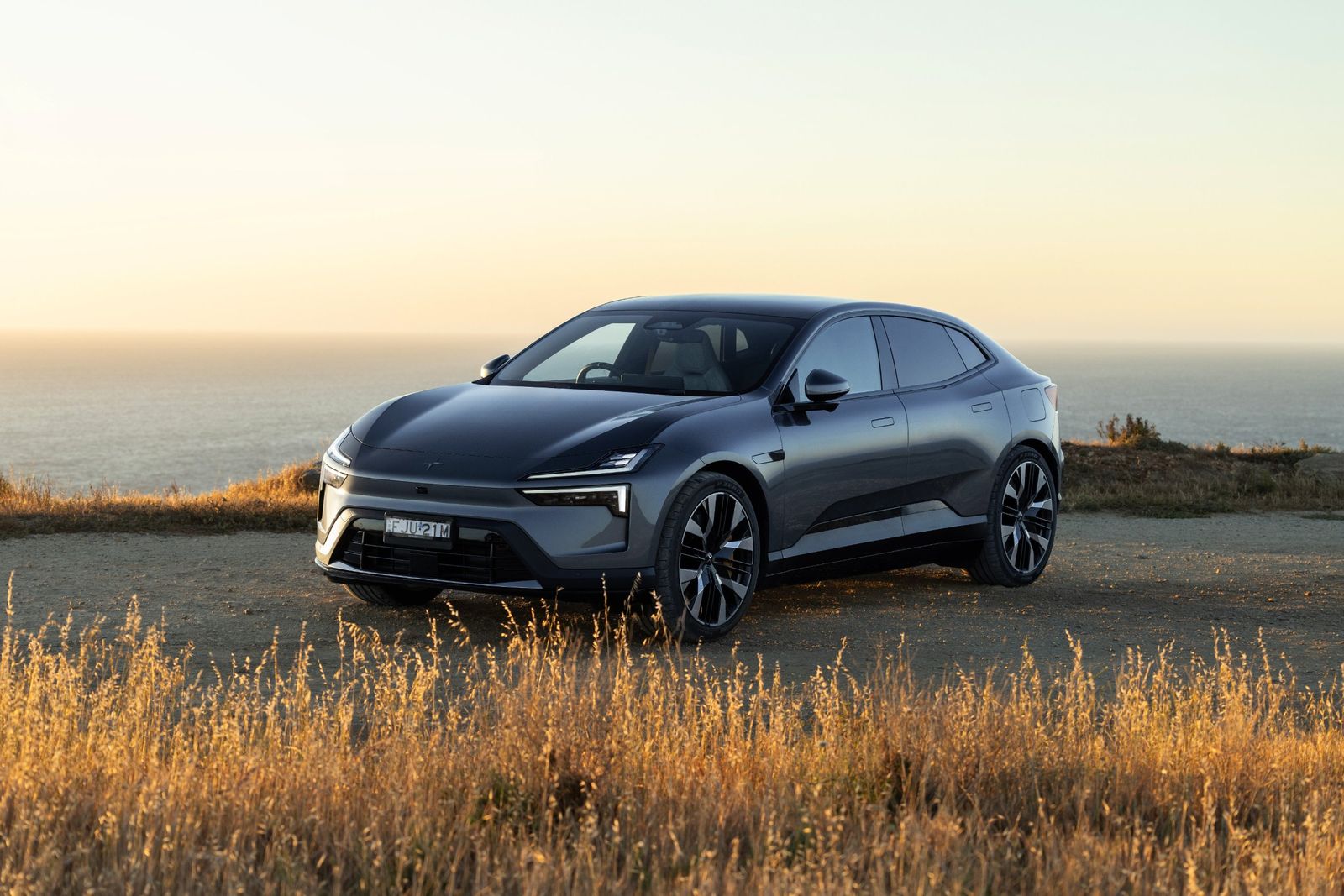
Cars, utes and vans make up most of Australia’s transport emissions. An EV has no tailpipe, and charged from rooftop solar it runs on clean energy.
How we calculated this7: Affordable and clean energy · 11: Sustainable cities and communities · 12: Responsible consumption and production · 13: Climate action
For most of us, the car is how we get to the trailhead, the race start and the Sunday long run. And light vehicles like cars, utes and vans made up about 60% of Australia’s transport emissions in 2022.
When it comes time to replace your current vehicle, choosing an electric vehicle can significantly reduce its climate impact over its lifetime. But the full picture is bigger than what comes out of the tailpipe.
Like all vehicles, EVs create emissions during manufacturing, including from producing materials such as steel, aluminium and batteries. That’s why it’s important to look at the entire lifecycle of a vehicle, from raw materials and production through to driving and end of life.
While EVs typically start life with higher manufacturing emissions than an equivalent petrol or diesel vehicle, they generally make up that difference through much lower emissions in use. As electricity grids become cleaner and more renewable energy is added, those savings continue to grow.
The biggest impact comes from a combination of actions: keeping vehicles longer, choosing the smallest vehicle that meets your needs, driving efficiently, and charging with renewable electricity wherever possible.
This isn’t about replacing a car that’s still serving you well. It’s about making a lower-carbon choice when the time eventually comes.
Because protecting the places we play means thinking about the impact of every kilometre, from production to driving. 💙
You’ll be taken to the Pledge platform, where you can sign in or create a free account.
This is an estimate of the potential impact of taking this pledge.
Your actual impact may vary depending on how often you take the action, your starting point and your personal circumstances.
Read our impact methodologyOnce you’ve made the pledge, the platform is where the action gets recorded.
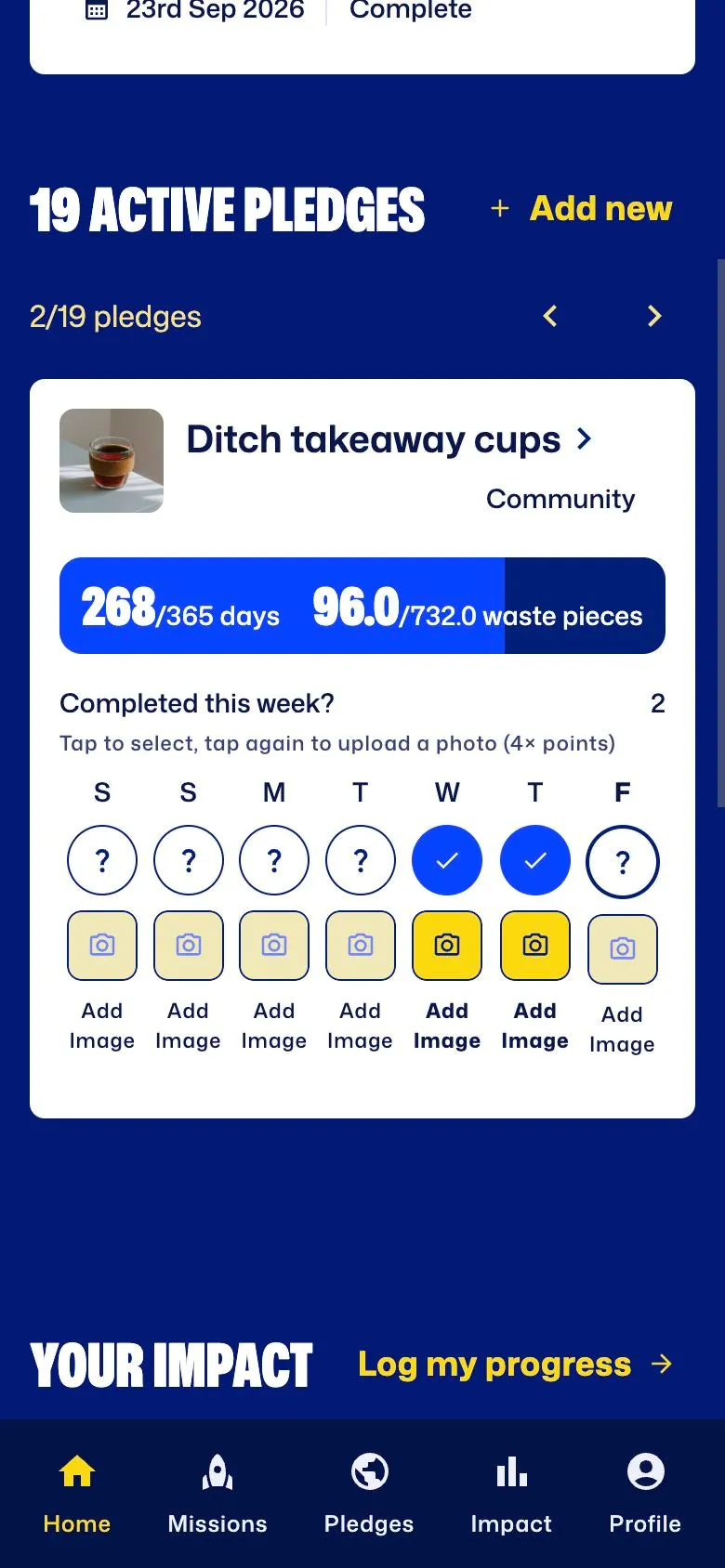
Mark the action complete each time you take it.
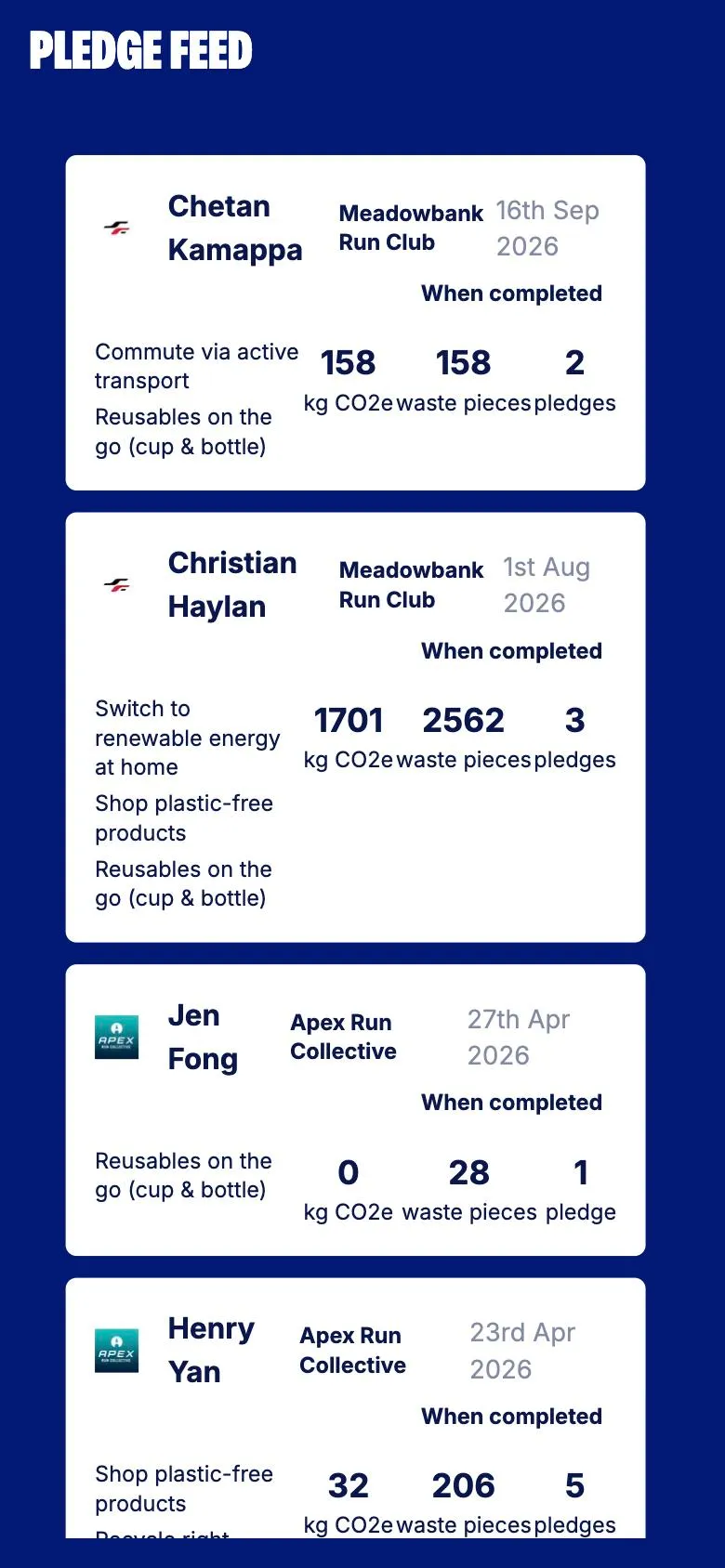
Add a photo of your action and earn four times the points.
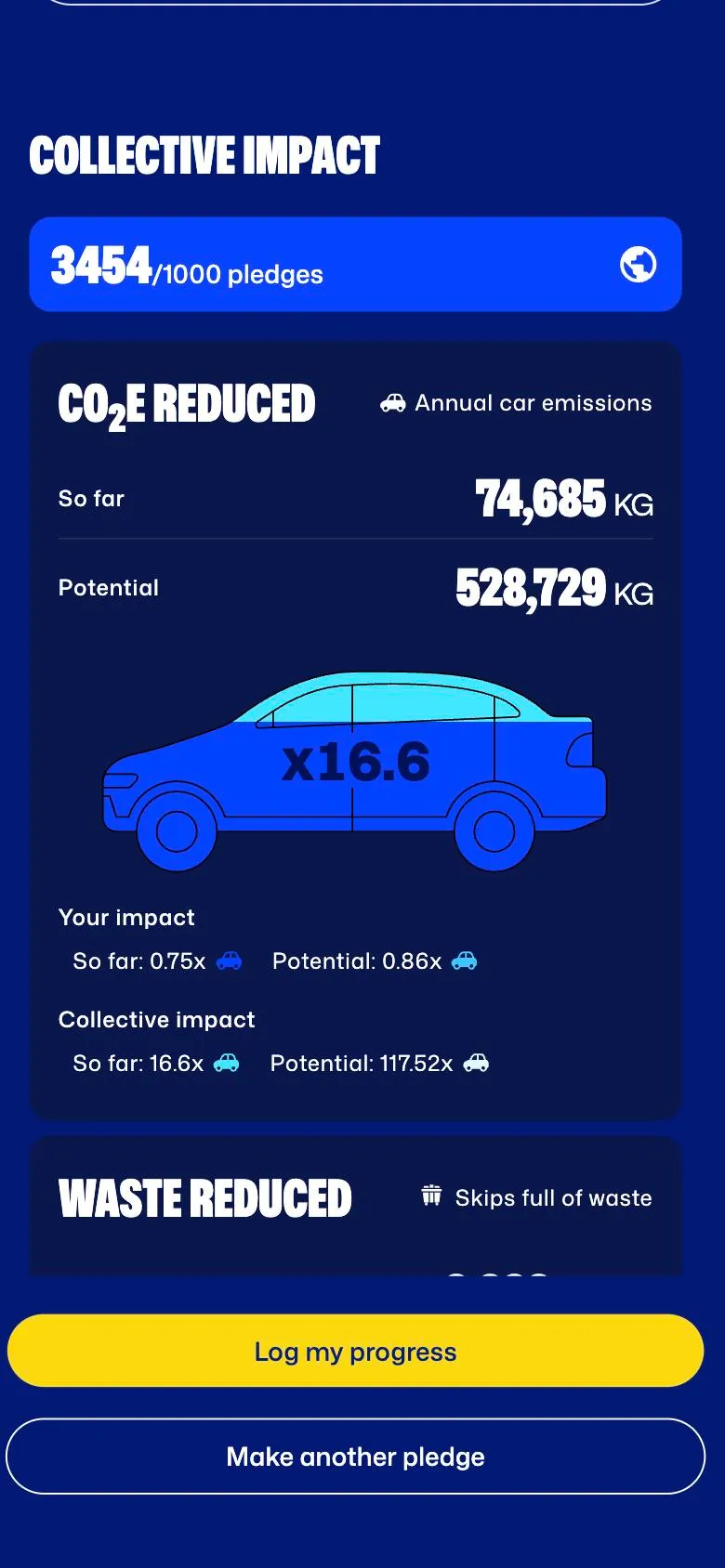
Watch your action join the community total.
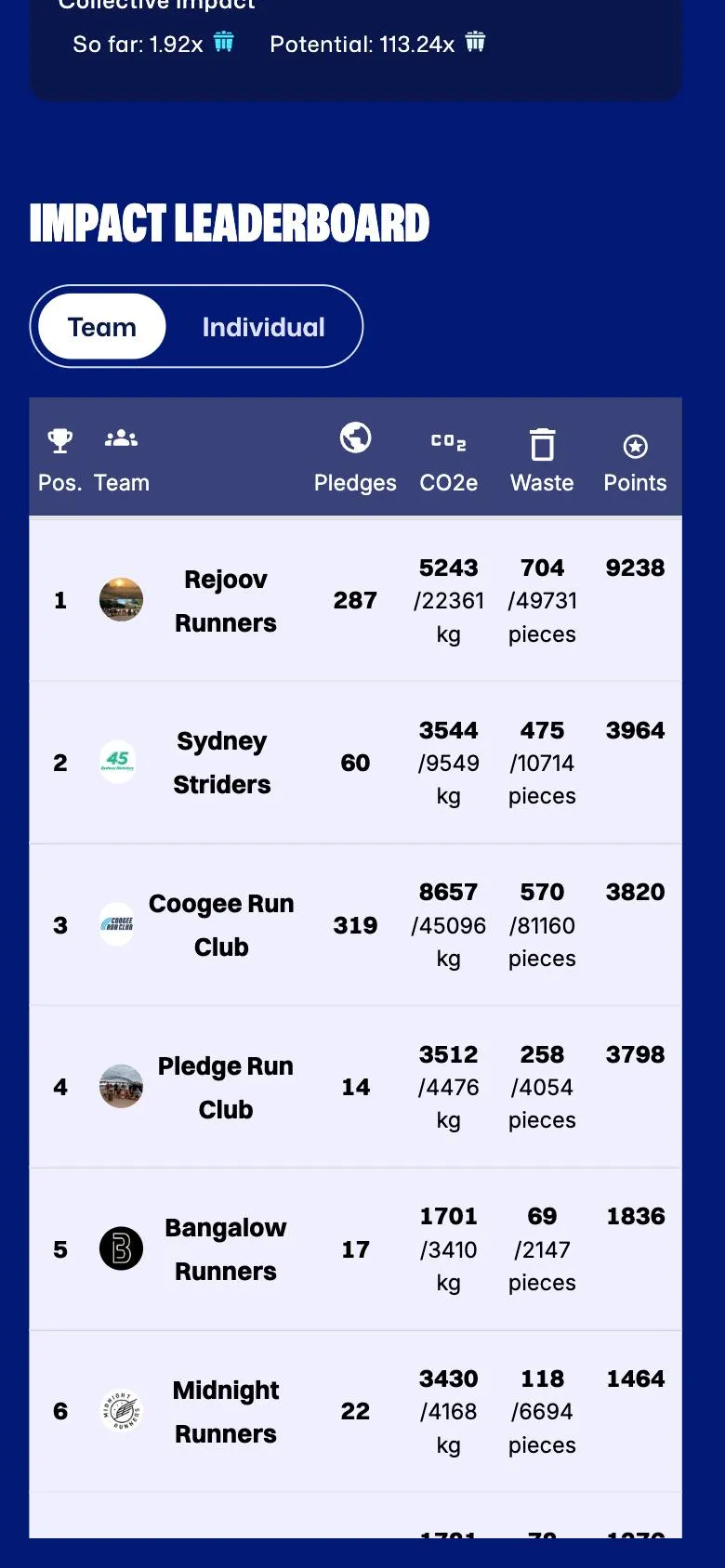
Every check-in earns points that climb the leaderboard.
Green Vehicle Guide, compare models and running costs: https://www.greenvehicleguide.gov.au/
Polestar, sustainability and lifecycle assessments: https://www.polestar.com/au/sustainability/
ATO, electric cars FBT exemption: https://www.ato.gov.au/businesses-and-organisations/hiring-and-paying-your-workers/fringe-benefits-tax/types-of-fringe-benefits/fbt-on-cars-other-vehicles-parking-and-tolls/electric-cars-exemption
Department of Infrastructure, New Vehicle Efficiency Standard: information for drivers: https://infrastructure.gov.au/infrastructure-transport-vehicles/vehicles/new-vehicle-efficiency-standard/information-drivers
NRMA, are EVs really better for the environment?: https://www.mynrma.com.au/open-road/advice-and-how-to/are-evs-better-for-the-environment




Pledge for the Planet acknowledges the Traditional Custodians of the lands and waters where we live, work, move and play, and pays respect to Elders past and present. We recognise that First Nations peoples have cared for this country for more than 65,000 years, and that their knowledge and continuing connection to land and sea has much to teach us about protecting the places we all share. Sovereignty was never ceded.