48 Hour Mission 2026 // 13-15 Nov // Entries Open 23 Oct // Let's get moving to protect the places we play // 48 Hour Mission 2026 // 13-15 Nov // Entries Open 23 Oct // Let's get moving to protect the places we play //
Pledge for the Planet
Browse pledgeschevron_right chevron_right
Contact your MP to influence climate policy
Community

Contact your MP to influence climate policy

Your MP works for you. Once a month, tell them what climate action you want.

Make this pledgeopen_in_new

You’ll be taken to the Pledge platform, where you can sign in or create a free account.

Your pledge at a glance
Estimated impact
Drives systems change

MPs need to hear from the people they represent between elections, not just at them. A personal message from someone in their electorate is exactly the kind of local feedback their office passes on.

How we calculated this
Frequency
Monthly
Supports the UN SDGs

13: Climate action

What

  • Write to, call or meet your local MP (federal or state) once a month about a climate issue you care about
  • Keep it local, personal and to one issue, with one clear ask
  • Follow up if you don’t hear back
  • Snap a screenshot of your sent email or letter to log this pledge. Crop out your address and phone number.

Why

Individual action matters. But plenty of what shapes our climate, from public transport to how we protect bushland, gets decided in parliament. MPs can only weigh up what they hear, and between elections that’s often whoever speaks up.

Here’s the thing: most of us want action. In the 2026 Lowy Institute Poll, 84% of Australians said global warming should be addressed, either by starting now (49%) or gradually with low-cost steps (35%). That support only counts if the people making decisions hear it.

You won’t be doing it alone. Climate Writers, a volunteer-run, non-partisan community, says its 400+ members have sent more than 800 personalised letters to politicians. Talking to your representative is your right, and it’s how democracy is meant to work.

Because protecting the places we play means the people making the calls hear from the people who play there. 💙

How

  • Find your federal MP: Pop your suburb or postcode into the AEC’s electorate finder. It shows your electorate and your member in the House of Reps. Then search their name on the Parliament of Australia site for contact details. Each MP chooses how they want to be contacted.
  • Don’t forget your state MP: Public transport, conservation and the environment are big state responsibilities. Your state or territory electoral commission can tell you which state electorate you’re in. And your senators represent your whole state, so they’re fair game too.
  • Lead with local: Say up front that you live in their electorate. Mention your suburb, your club, or the trail or beach you care about. You’re the person they’re there to represent.
  • One page, one issue, one ask: Use your own words, not a copy-paste template. Share how the issue affects you, back it with a fact or two, then ask for one specific thing, like raising it with the minister, asking a question in Parliament or meeting with you.
  • Pick your channel: Email is quick, but busy offices get flooded. A letter usually gets a written reply, though it can take weeks. A call to the electorate office is great for topical issues, and staff pass local feedback on. A face-to-face meeting carries the most weight. Book at least a week ahead, outside sitting weeks.
  • Keep it kind and party-neutral: Be polite and factual, skip the exaggeration, and thank them for anything they’ve already done. Every MP needs to hear it, whatever their party.
  • Follow up: No reply after a month? Give the office a call and ask. Friendly and persistent wins.
  • Write together: Climate Writers runs monthly sessions in Sydney, Melbourne, Brisbane and Perth with topics and help to get you started. Already a regular? Ask for a meeting, or rope in a few club mates from the same electorate to write too.

Make it work for you

Make this pledgeopen_in_newTrack your progressopen_in_new

You’ll be taken to the Pledge platform, where you can sign in or create a free account.

How we calculated the impact

This is an estimate of the potential impact of taking this pledge.

Your actual impact may vary depending on how often you take the action, your starting point and your personal circumstances.

Read our impact methodologyarrow_forward

How we track impact

Once you’ve made the pledge, the platform is where the action gets recorded.
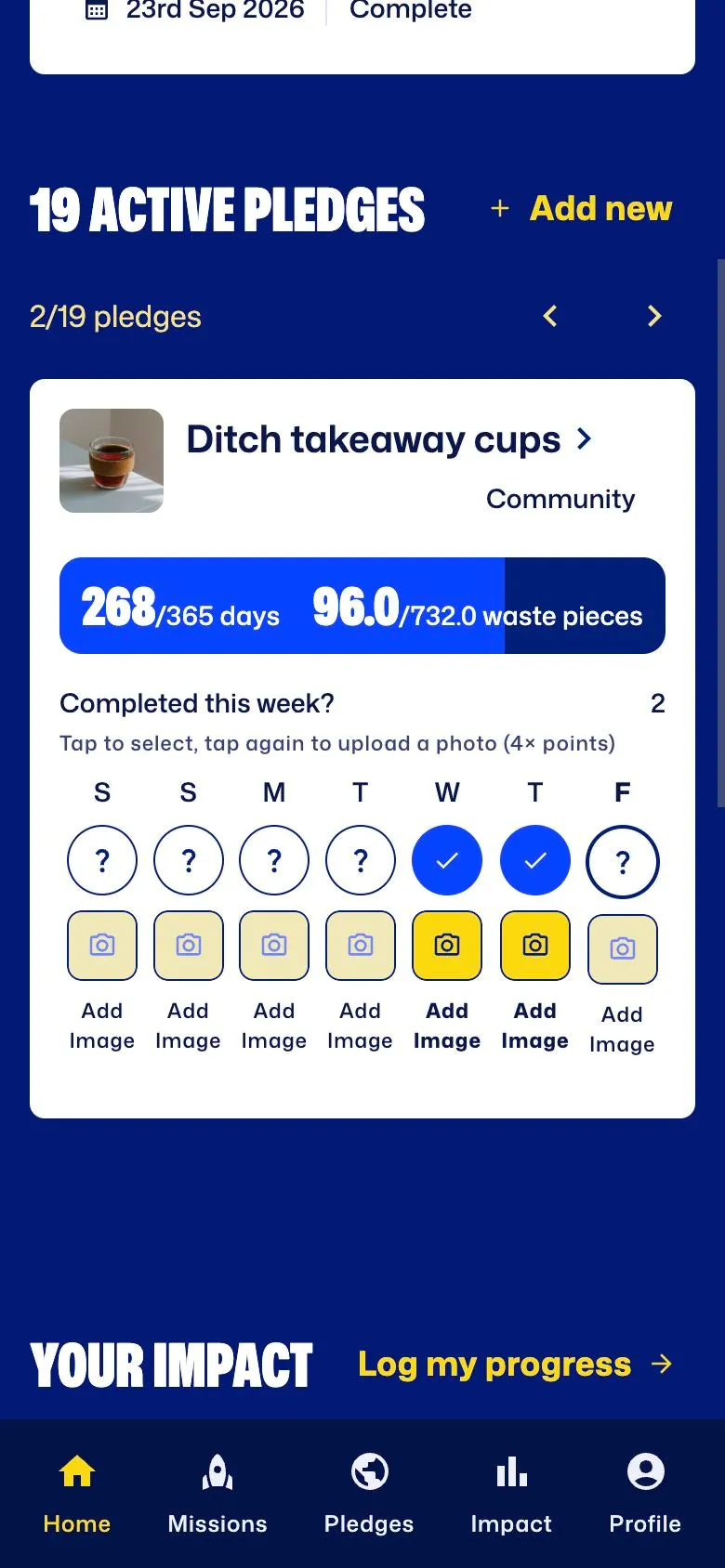
Pledge app accountability check-in for the week
Accountability check-ins

Mark the action complete each time you take it.
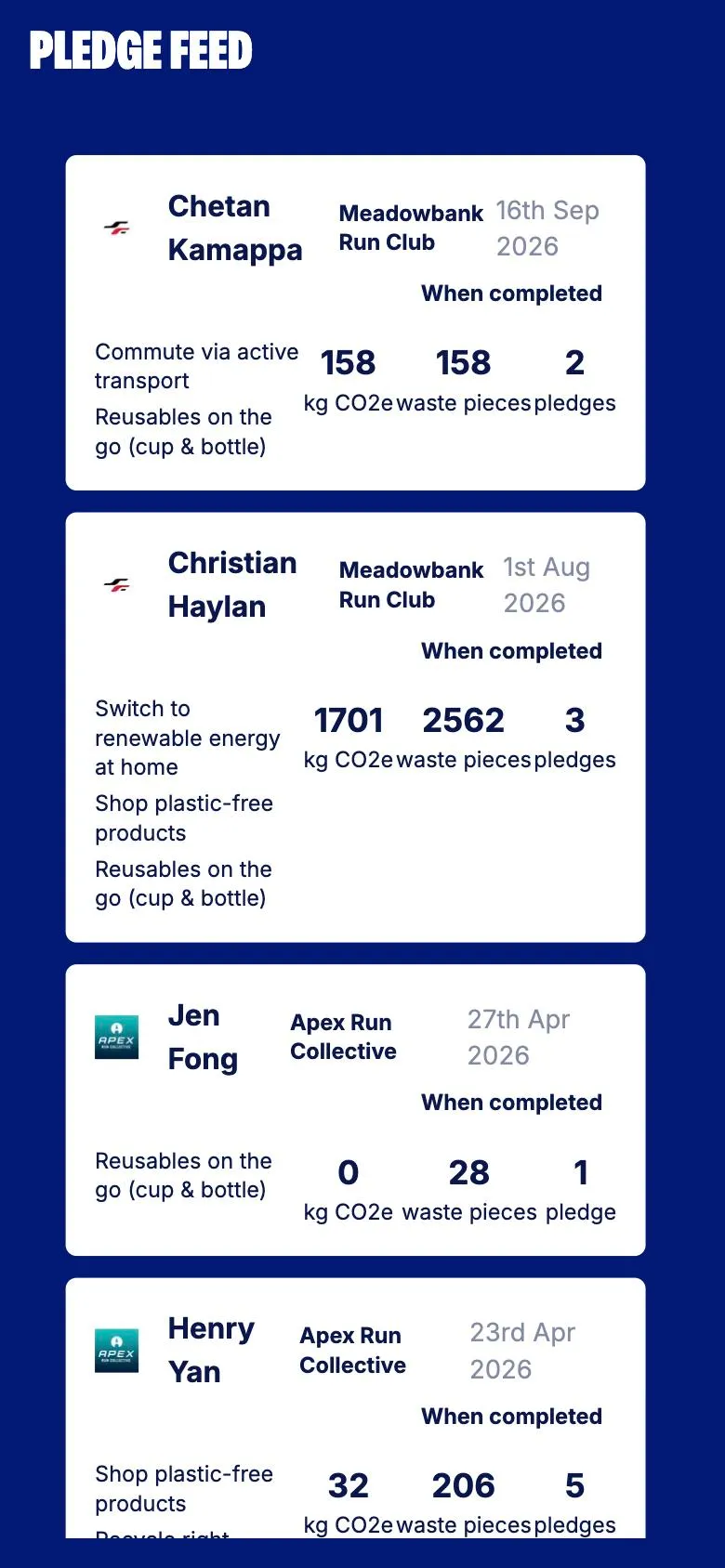
Pledge app club feed showing members' pledges and photo check-ins
Photo uploads

Add a photo of your action and earn four times the points.
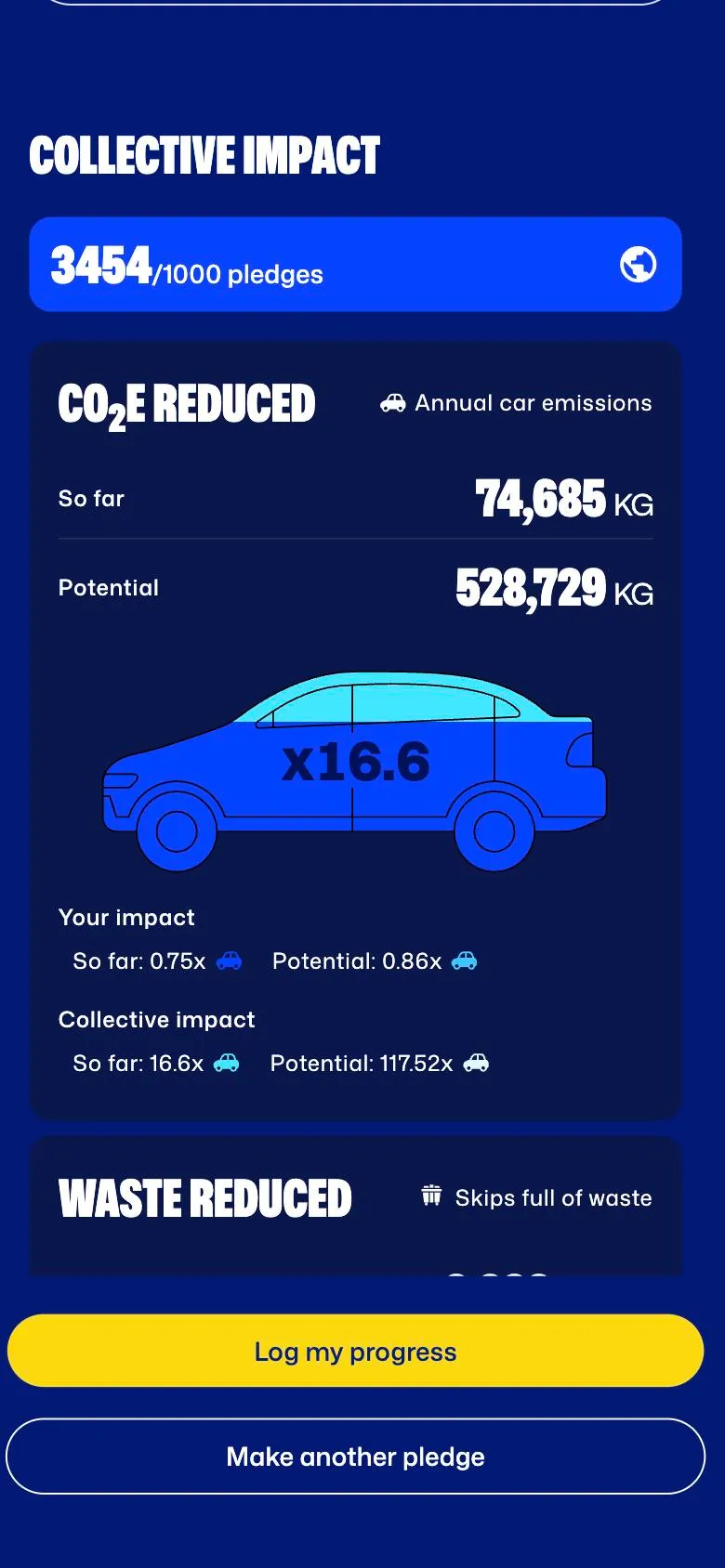
Collective impact counters for CO2e and waste
Collective impact counter

Watch your action join the community total.
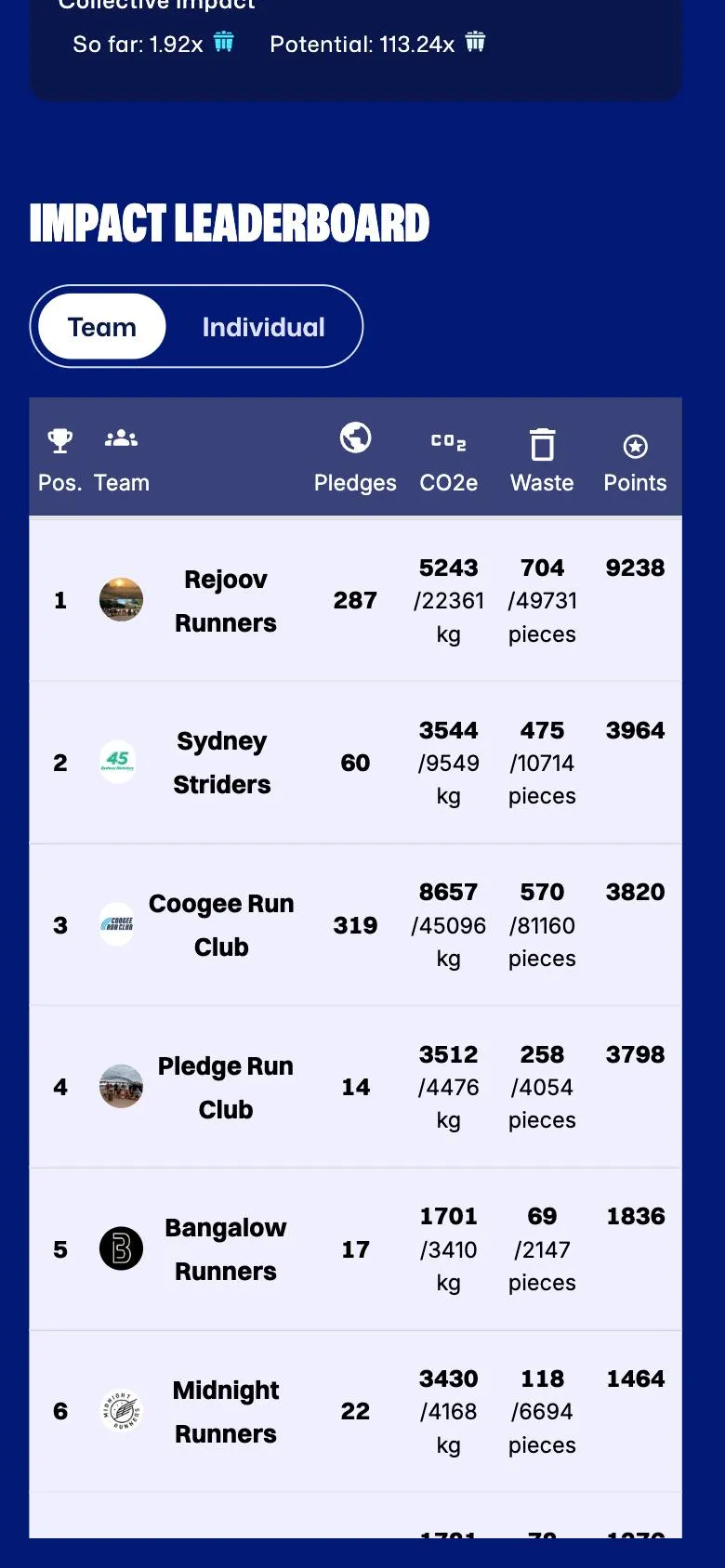
Pledge app team leaderboard ranked by points
Pledge points & leaderboards

Every check-in earns points that climb the leaderboard.

Resources

Australian Electoral Commission, find your federal electorate and MP by suburb or postcode: https://electorate.aec.gov.au/

Parliament of Australia, Senators and Members (contact details for every MP and senator): https://www.aph.gov.au/Senators_and_Members

ECANZ, contacts for every state and territory electoral commission (find your state electorate): https://www.ecanz.gov.au/about-ecanz/contacts

Climate Writers, monthly letter-writing sessions by city: https://linktr.ee/climatewriters

Sources

  1. Australian Electoral Commission, electorate finder (search by locality, suburb or postcode; shows the current House of Representatives member) – https://electorate.aec.gov.au/
  2. Parliament of Australia, Senators and Members (search for your member; each member chooses their own contact method) – https://www.aph.gov.au/Senators_and_Members
  3. NSW Parliament Education, three levels of government (states responsible for public transport, conservation and environment) – https://education.parliament.nsw.gov.au/student-lesson/three-levels-of-government-year-10-commerce/
  4. ECANZ, electoral commission contacts (state and territory electoral commissions) – https://www.ecanz.gov.au/about-ecanz/contacts
  5. Climate Council, how to write an effective letter to your MP (identify as a constituent; one page, one issue; personal story; specific ask; follow up after about a month) (2018, updated 2026) – https://www.climatecouncil.org.au/how-to-write-an-effective-letter-to-your-mp/
  6. Climate Council, tips for calling your MP (say you live in the electorate; electorate staff pass local feedback to the MP) (2022) – https://www.climatecouncil.org.au/tips-for-calling-your-mp/
  7. Electronic Frontiers Australia, lobbying politicians (face to face most effective, book a week ahead outside sitting periods; letters usually get a written reply; email offices often overloaded; own words carry more weight than form letters) (2018) – https://efa.org.au/Campaigns/modes.html
  8. Lowy Institute Poll 2026, climate change (49% serious and pressing, 35% gradual low-cost steps, 16% no costly steps) – https://poll.lowyinstitute.org/charts/climate-change/2026/
  9. Climate Writers, event listing (volunteer-run, non-partisan; 400+ members, 800+ personalised letters to politicians; monthly gatherings) – https://luma.com/36tvqknl
  10. Climate Writers, city chapters and session calendars (Sydney, Melbourne, Brisbane, Perth) – https://linktr.ee/climatewriters