48 Hour Mission 2026 // 13-15 Nov // Entries Open 23 Oct // Let's get moving to protect the places we play // 48 Hour Mission 2026 // 13-15 Nov // Entries Open 23 Oct // Let's get moving to protect the places we play //
Sheets, towels, work clothes. Wash the lot on cold and hang it out.
Make this pledgeYou’ll be taken to the Pledge platform, where you can sign in or create a free account.

Warm and hot washes use a lot more energy than cold, and the dryer is a hungry appliance. Cold water and a clothesline cut both.
How we calculated this7: Affordable and clean energy · 12: Responsible consumption and production · 13: Climate action
Heating water is one of the biggest energy users in a washing machine. Your Home says a warm or hot wash uses roughly 50% to 85% more energy than a cold one, and can cost 80% to 90% more. Most of what’s in the basket isn’t that dirty, so cold does the job.
Then there’s the dryer. CHOICE testing found the average vented dryer, used just once a week, costs about $1,930 to run over ten years. A sunny Aussie backyard does it for free.
Your clothes come out ahead too. University of Leeds researchers found shorter, cooler cycles can significantly extend the life of garments and help them keep their colour. So the good sheets and your favourite tee hang around longer.
Because protecting the places we play can start at the Hills Hoist. 💙
You’ll be taken to the Pledge platform, where you can sign in or create a free account.
This is an estimate of the potential impact of taking this pledge.
Your actual impact may vary depending on how often you take the action, your starting point and your personal circumstances.
Read our impact methodologyOnce you’ve made the pledge, the platform is where the action gets recorded.
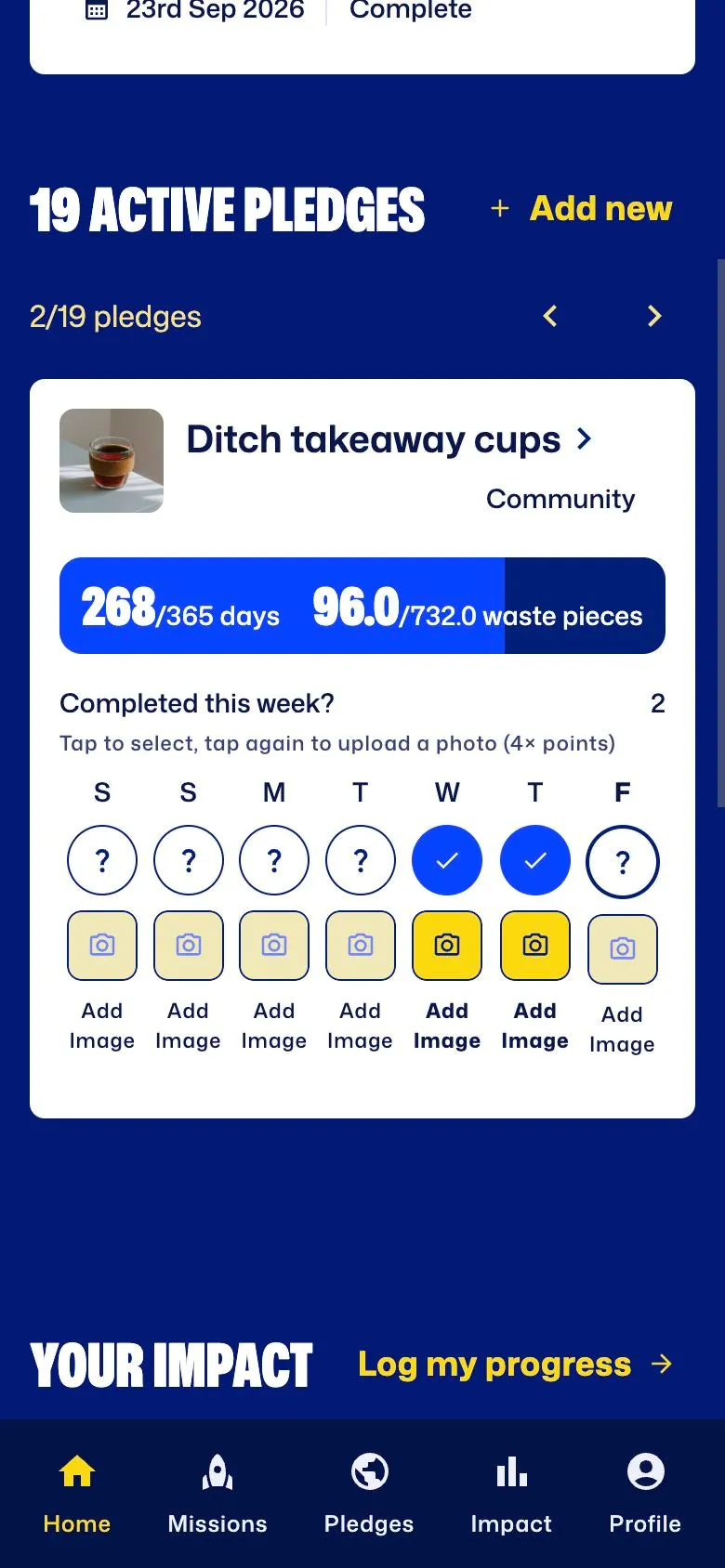
Mark the action complete each time you take it.
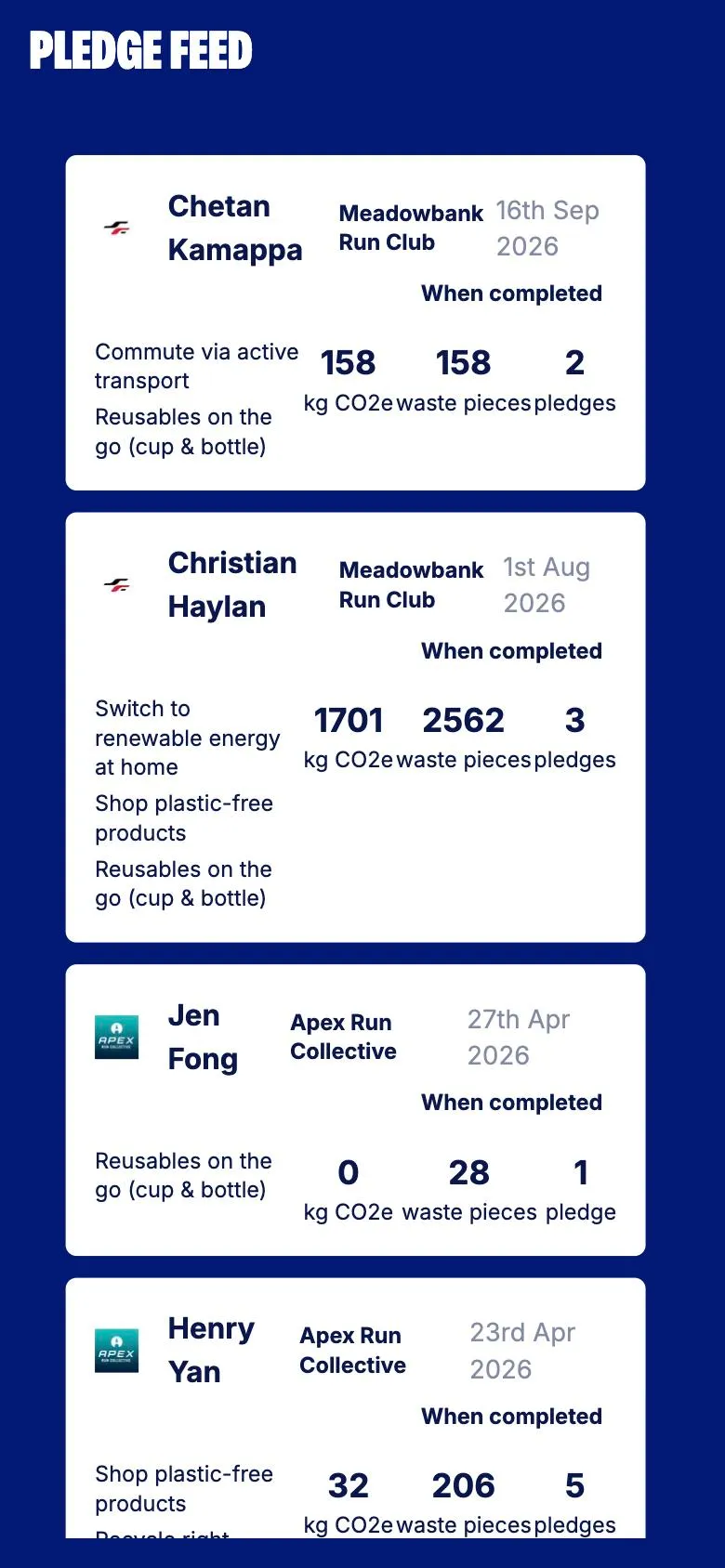
Add a photo of your action and earn four times the points.
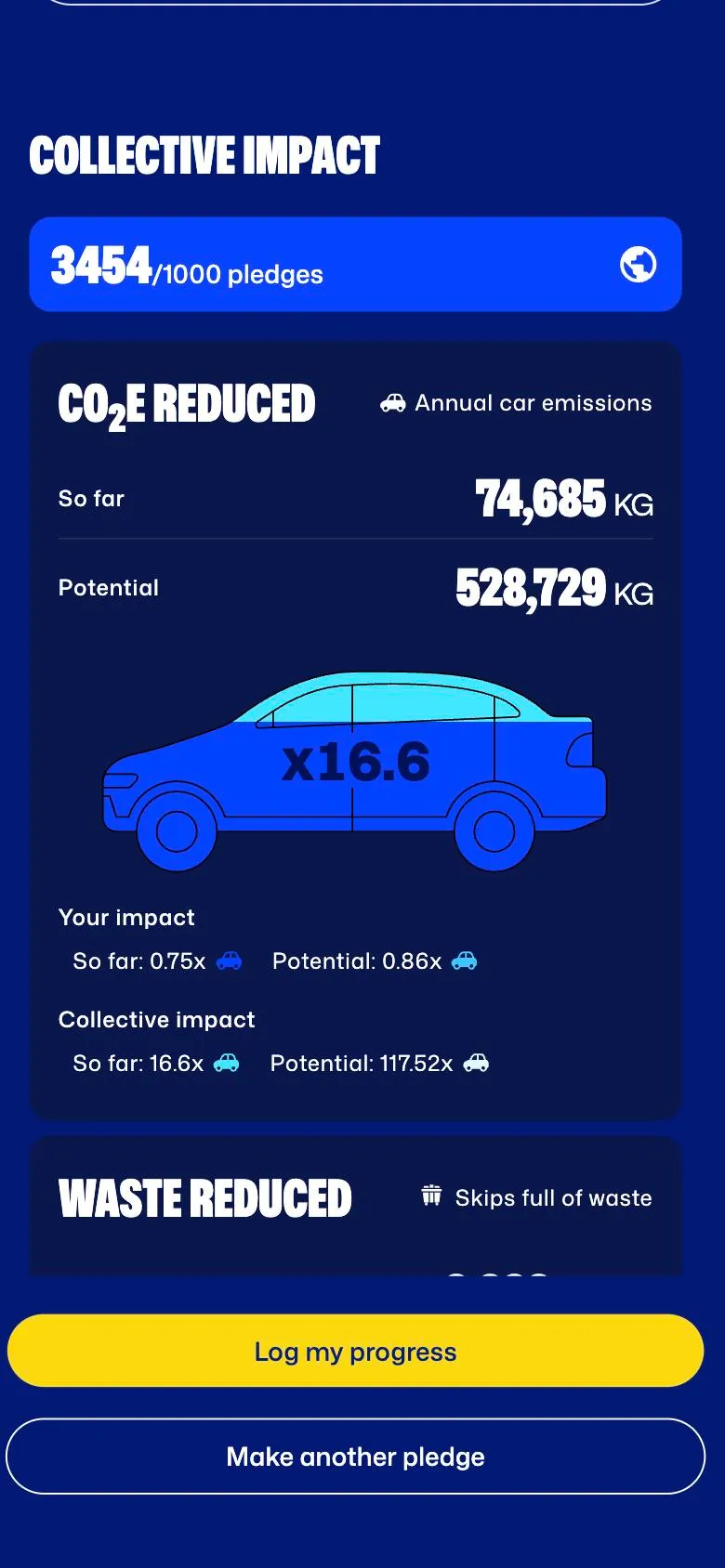
Watch your action join the community total.
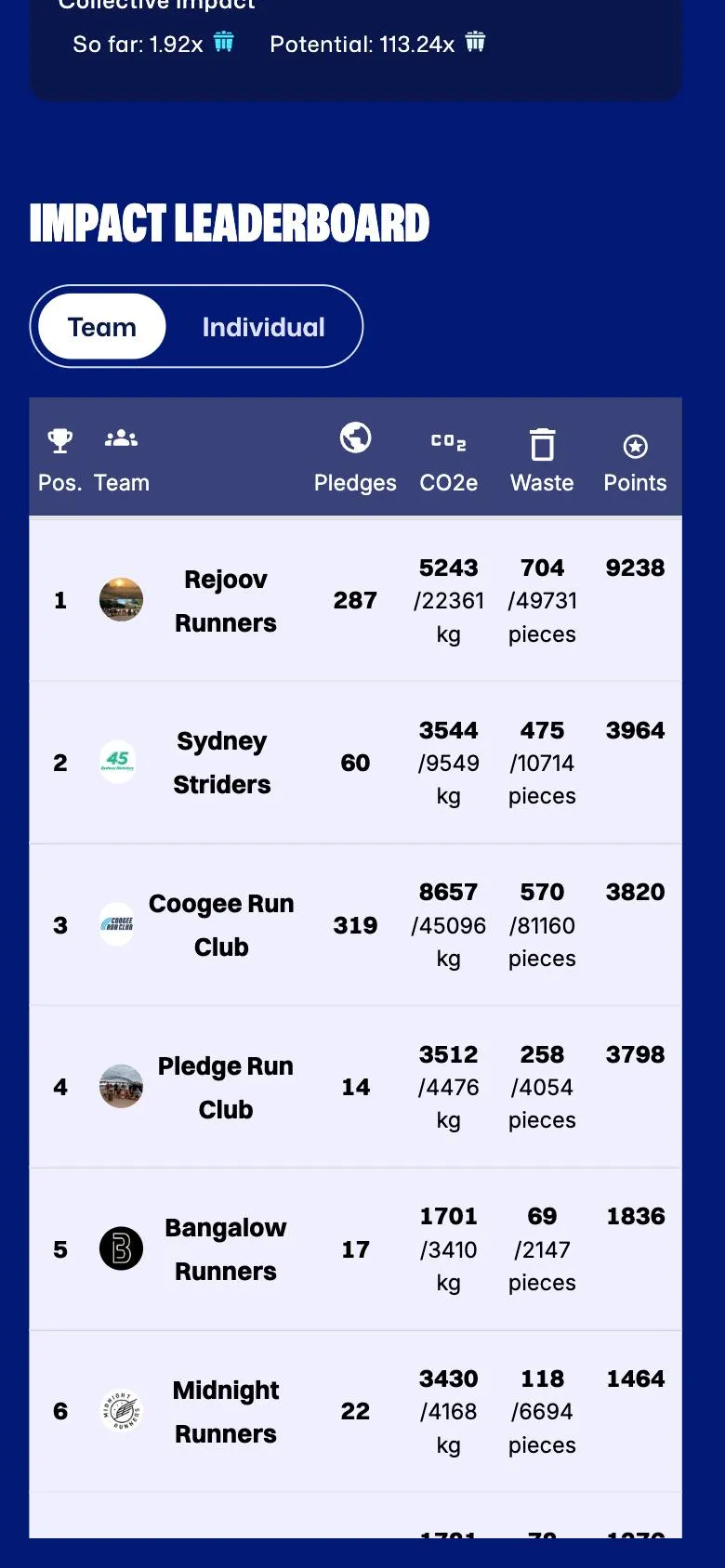
Every check-in earns points that climb the leaderboard.
Your Home, appliances (washing machines and dryers): https://www.yourhome.gov.au/energy/appliances
Energy Rating, washing machines: https://energyrating.gov.au/node/513
CHOICE, how much your dryer costs to run: https://www.choice.com.au/home-and-living/laundry-and-cleaning/dryers/articles/money-saving-tips-for-using-your-dryer
Energy Rating Calculator, compare clothes dryer running costs: https://calculator.energyrating.gov.au/DryerInformation.aspx




Pledge for the Planet acknowledges the Traditional Custodians of the lands and waters where we live, work, move and play, and pays respect to Elders past and present. We recognise that First Nations peoples have cared for this country for more than 65,000 years, and that their knowledge and continuing connection to land and sea has much to teach us about protecting the places we all share. Sovereignty was never ceded.